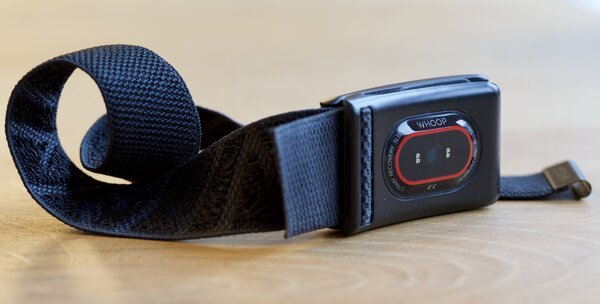
Whoop Heart Rate Accuracy — Tested Against a Chest Strap
Optical wrist sensor vs clinical-grade chest strap — the real numbers.
The Whoop Strap uses an optical sensor on your wrist to measure heart rate. But how accurate is it compared to a chest strap? Willem wore both simultaneously during workouts and compared the data.
Optical heart rate sensors measure blood flow through your skin using green LED light. Chest straps measure electrical signals directly from your heart. In theory, the chest strap is more accurate. In practice, the gap depends on the activity.
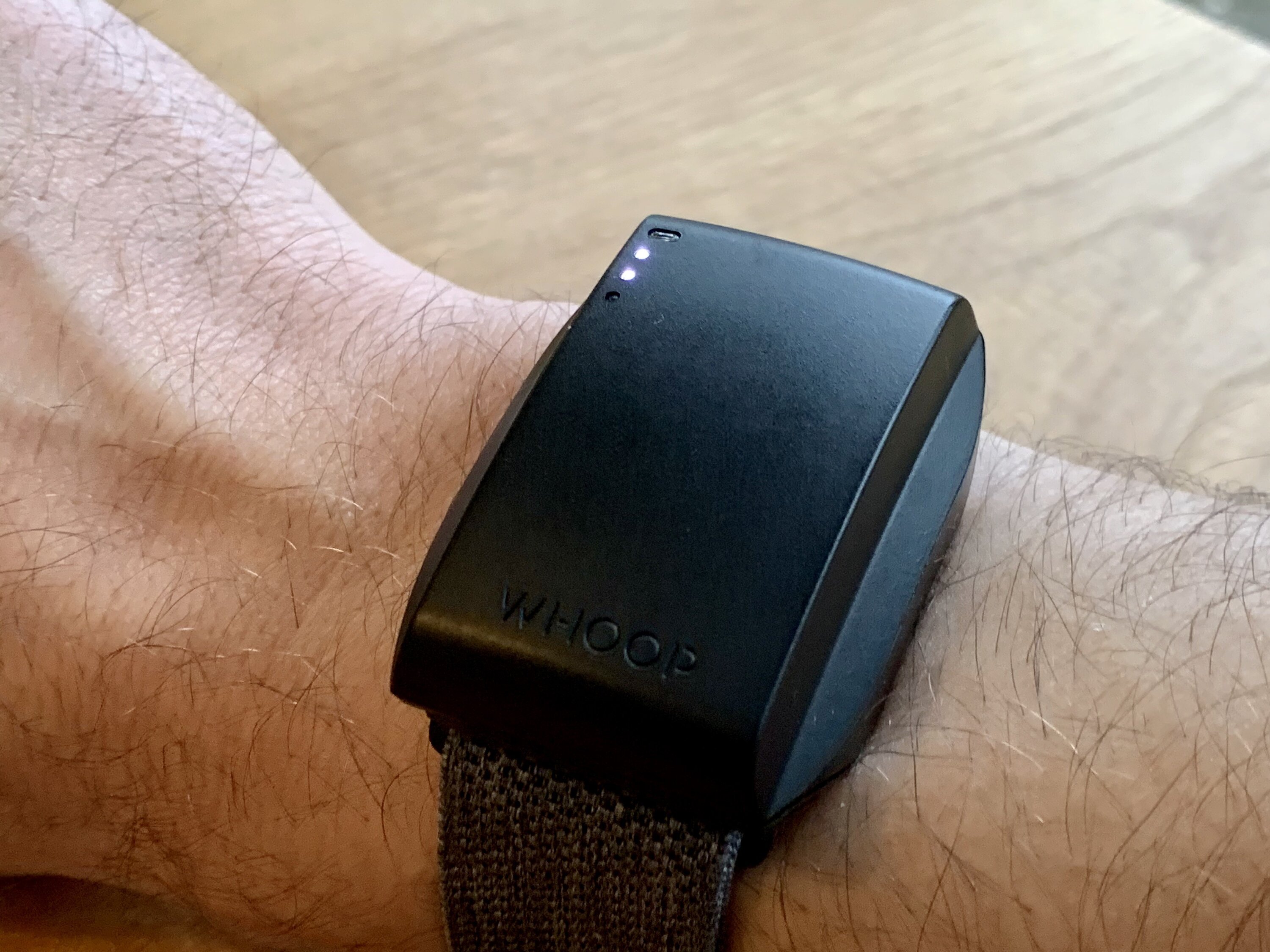
During steady-state exercise (easy cycling, walking), the Whoop tracks closely with a chest strap — within 2-3 BPM. During high-intensity intervals and wrist movement (weightlifting, rowing), optical sensors lag and sometimes lose the signal entirely.
The biggest weakness: the start of a workout. It takes the optical sensor 30-60 seconds to lock onto your heart rate, while a chest strap reads instantly. If your training involves short bursts, the Whoop will undercount your effort.
For 24/7 resting heart rate and sleep tracking — where you're not moving — the Whoop is excellent. For exercise precision, a chest strap still wins.
From Willem's multi-year Whoop review.