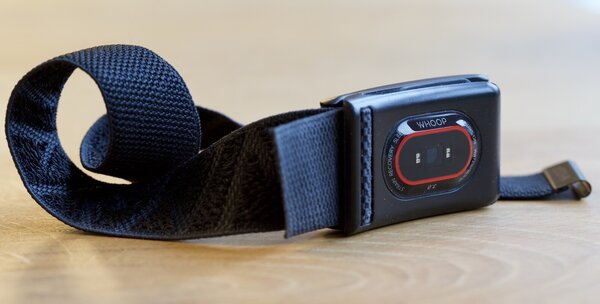
Whoop Sleep Tracking — What It Actually Measures
Sleep stages, HRV, respiratory rate — and the limits of wrist-based measurement.
The Whoop Strap tracks your sleep automatically — stages, duration, disturbances, HRV, and respiratory rate. But how accurate is it really? After months of nightly data, here's what Willem found.
The Whoop measures sleep by tracking heart rate variability (HRV), resting heart rate, and wrist movement throughout the night. It classifies sleep into stages: wake, light, REM, and deep (slow-wave) sleep.
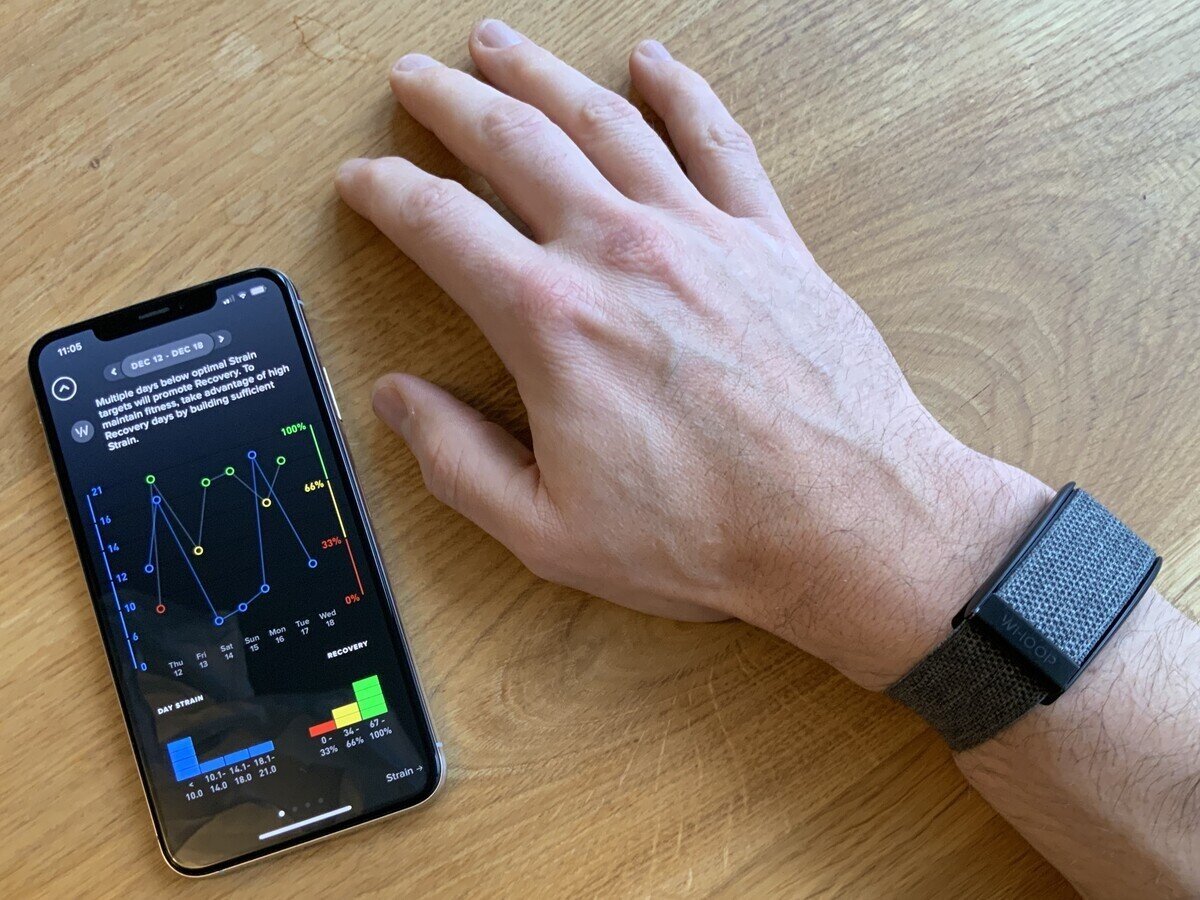
The recovery score — Whoop's headline metric — is calculated primarily from your sleep quality, HRV, and resting heart rate. A green recovery means your body is ready for strain; a red one means you need more rest.
What it does well: detecting when you actually fell asleep (not when you got into bed), measuring total sleep time accurately, and tracking trends over weeks and months.
What it struggles with: sleep stage classification is approximate compared to polysomnography. Light vs. deep sleep percentages should be taken as trends, not absolutes.
From Willem's multi-year Whoop review.