
Working Offline First — Why Your Software Should Work Without Internet
The case for computing that doesn't break when the WiFi drops.
Most modern software silently assumes you're always online. Willem argues this is a design flaw — and spent weeks working entirely offline to prove that a better approach exists.
The experiment: work for weeks using software that functions entirely without an internet connection. No Google Docs, no cloud storage, no web-based tools. Just local applications, local files, and a laptop.
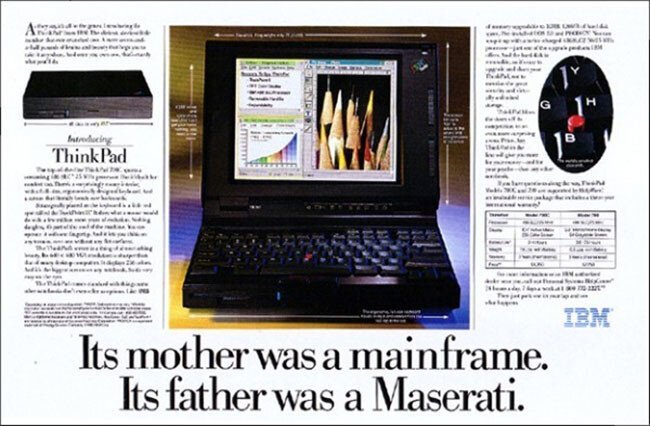
What Willem discovered: most of what we think requires the internet actually doesn't. Writing, coding, photo management, email composition, even most development work — all of it works better offline, because there are no distractions, no loading spinners, and no dependency on someone else's server.
The tools that work offline: vim for writing, local git for version control, Thunderbird for email (compose offline, send when connected), Shotwell for photos, local music files. The tools that don't: anything made by Google.
The deeper insight: offline-first isn't about rejecting the internet. It's about designing your workflow so the internet is a convenience, not a requirement.
From Willem's writing on digital minimalism.