Retro Computing and the ThinkPad Philosophy
Old hardware, terminal workflows, and the case for machines that last.
While the industry chases thinner, faster, newer, Willem keeps returning to a question: what if the best laptop was the one you already have? The ThinkPad X200, vim over SSH, programming on an Apple Watch — these posts celebrate machines and workflows that refuse to become obsolete.
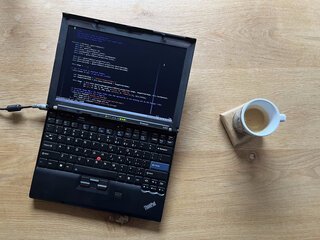
There's a ThinkPad X200 that appears in several of Willem's posts. Not as a review subject, but as a tool — used seriously, daily, years after the industry moved on. It represents something important: the idea that a good machine doesn't stop being good just because a new one exists.
The ThinkPad
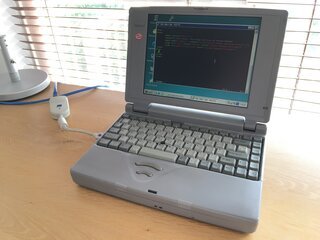
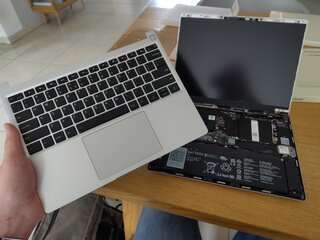
The joy of a simple laptop is the clearest expression of this philosophy. While most tech writers review the latest MacBook Pro, Willem writes about a machine that was already old when he started using it — and explains why it's better for actual work than anything with a Retina display. The keyboard, the repairability, the absence of distraction.


Terminal Culture
The retro computing thread extends beyond hardware. Programming on an Apple Watch — using vim over SSH on the smallest screen imaginable — is both a stunt and a genuine exploration of what "minimum viable computer" means. It connects to the tablet OS project and the broader question: how little hardware do you actually need?


Tools That Last
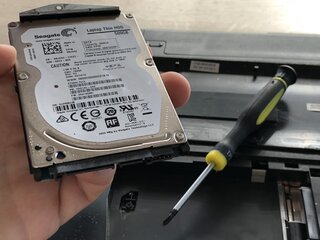
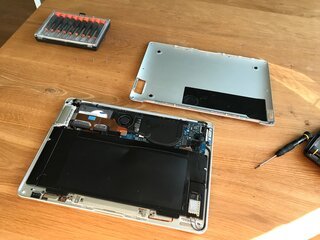
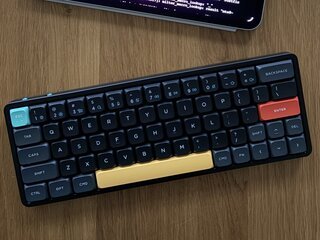
The mechanical keyboard post, the business-in-a-bag philosophy, the deliberate choice of repairable hardware — these aren't nostalgia. They're a working methodology. Willem uses old machines not because he can't afford new ones, but because he's learned that simplicity and durability produce better work than novelty.
Also explore
self-hosting · digital minimalism · mobile computing · writing code
The Broader Pattern
This connects to everything else Willem writes about. The same person who restores a 1978 bicycle runs a ThinkPad from 2008. The same person who builds his own server software uses vim instead of an IDE. It's not retro for retro's sake — it's a consistent belief that understanding your tools matters more than having the latest ones.