Whoop Strap Review — Years of Wearing a 24/7 Body Sensor

Not a first-week review. Two generations tested over years, compared against clinical equipment.

Willem has worn a Whoop Strap almost continuously since 2019 — through two hardware generations, thousands of workouts, and tens of thousands of hours of sleep data. These aren't first impressions. They're the reviews you get when someone actually lives with a product long enough to know the truth.

The Original: Whoop Strap 3.0

The first review — Whoop strap review: 24/7 wearable sensor — was written after months of continuous wear. Not a press sample returned after a week, but a device paid for and worn through swimming, cycling, sleeping, and the full spectrum of daily life. It's one of the most detailed independent Whoop reviews online, covering heart rate accuracy, sleep staging, strain calculation, and recovery scores — tested against clinical-grade chest straps.
Whoop strap review: 24/7 wearable sensor

Whoop strap review: 24/7 wearable sensor

Beyond fitness tracking and smartwatches

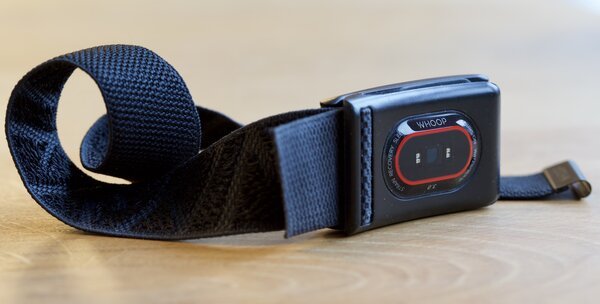
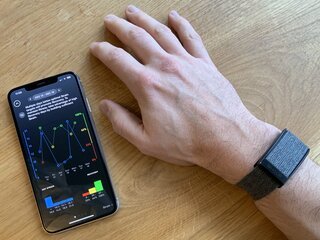
The past months I have been wearing the WHOOP Strap 3.0, a wearable sensor that collects health and fitness data. It's different compared to most other fitness bands as it was designed with professional athletes in mind. It is focussed on daily strain, recovery and sleep. Read along to find out how this works.

The Follow-Up: WHOOP 4.0

Years later, Willem reviewed the next generation. Did they fix what was broken? Did the data get more useful? The multi-generational perspective reveals things a single review never could — including whether the subscription model still makes sense after years of accumulated data.
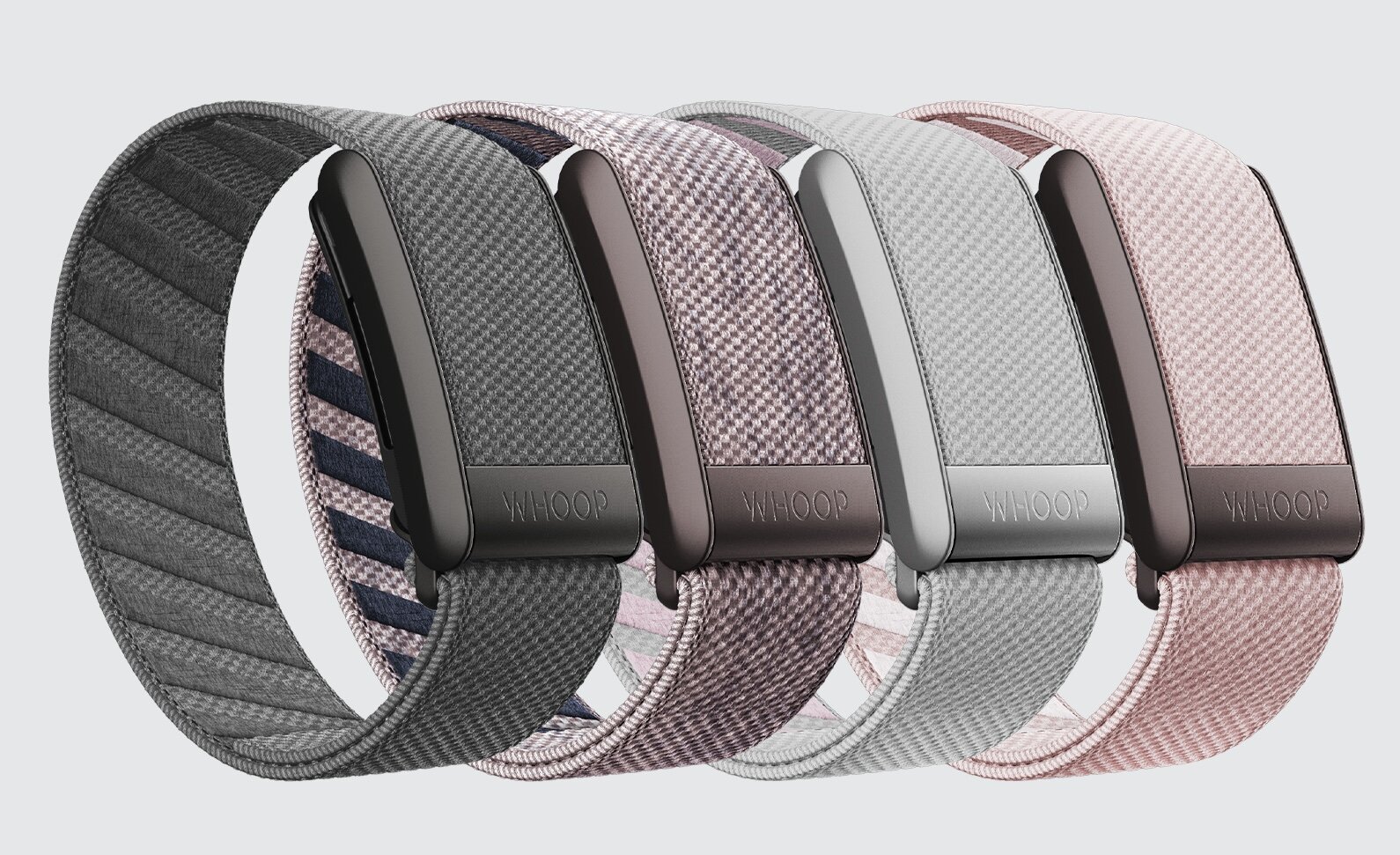
Wearing WHOOP 4.0

Wearing WHOOP 4.0

Why you should wear a biometric sensor

How often do you look in the mirror? Probably more than a few times a week! I have been thinking about this ever since I received my newest WHOOP 4.0 biometric sensor. It's great. But, why do I wear it? What value does it provide? Why should you wear it?

The Deeper Questions

The Whoop reviews exist in a broader context. Optical vs chest strap heart rate monitors is the technical deep-dive that questions the very accuracy of wrist-based measurement. Limitations of sleep tracking is the honest assessment most wearable companies don't want you to read. And Data versus Feeling asks the ultimate question: after years of data, do the numbers actually help?
Data versus Feeling

Data versus Feeling

Running two marathons in 6 weeks

Earlier this month I ran the Valencia Marathon (42KM), just six weeks after finishing my first ever marathon in Amsterdam. I used two different approaches for these races: running on feeling and running on data. The experience differed greatly, let me explain it in this blog post.

Limitations of sleep tracking using a wearable

Limitations of sleep tracking using a wearable

Comparison with a chest strap HR-monitor

Sleep monitoring is a popular feature of many smartwatches and wearables. Devices like Fitbit, Withings, Apple Watch and Biostrap analyse biometrics during your sleep. These wearables are worn on the wrist and use optical sensors to capture your heart rate. I wondered how the optical sensors would compare to a high resolution chest strap HR-monitor.

Optical vs chest strap heart rate monitors

Optical vs chest strap heart rate monitors

Measuring beats per minute using different sensors

With modern wearables, smartwatches and fitness bands, it has become easy and common to measure your heart rate. There are however fundamental differences in sensor types. Some sensors capture the electrical signal from your heart while others use light to analyse the blood flowing through your vessels. If you're interested in measuring heart rate, it's good to understand these differences.

Also explore

wearable sensors · the heart · sport and the body · long-term reviews

Related Reading

The Whoop story connects to Willem's broader writing about health, sensors, and the body. The Biostrap experiment, the Apple Watch swimming tests, the half marathon — all informed by years of wearing sensors.
Developing a native iOS app

Developing a native iOS app

Making a cycling and running tracker

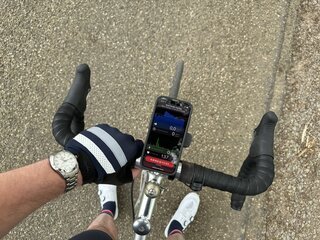
As a little side-project, squeezed between my normal work, I have been working on something of personal interest: a native workout tracking app for iOS. I wanted to make my smartwatch obsolete, instead using my phone to track workouts. How hard could it be to gather detailed sensor data using native Swift APIs?

Impact of training

Impact of training

Analysing WHOOP's trend data

This Monday I completed 235KM on my fixed gear bike during the Fietselfstedentocht 2023. It was a nice ride with fair weather and favourable wind conditions. Yet, I took the challenge seriously and prepared myself with some proper training. In this post I'll have a look at the trend data from my WHOOP in preparation for the Elfstedentocht.

Wearing WHOOP 4.0

Wearing WHOOP 4.0

Why you should wear a biometric sensor

How often do you look in the mirror? Probably more than a few times a week! I have been thinking about this ever since I received my newest WHOOP 4.0 biometric sensor. It's great. But, why do I wear it? What value does it provide? Why should you wear it?

The birth of a child

The birth of a child

Impact on daddy and his biometrics

Today I witnessed the birth of my daughter! You feel humble as a man, witnessing the labour and magic. Not sure if I can come up with something having more impact on a man than this. For the purposes of science and curiosity I wore a biometric sensor, and this is what it recorded.

Enter text without keys

Enter text without keys

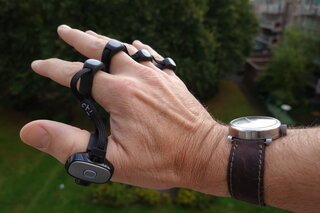
Tap: the wearable keyboard and mouse

This month a special piece of wearable tech arrived for me to try: the Tap Strap. Worn on your fingers, the Tap Strap recognises tapping and moving. It enables you to control and type your computer without a mouse or keyboard!

Riding with Omata One

Riding with Omata One

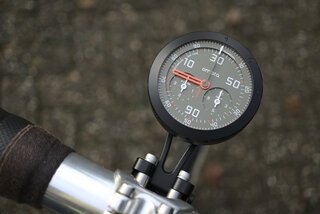
Analogue cycling computer with GPS

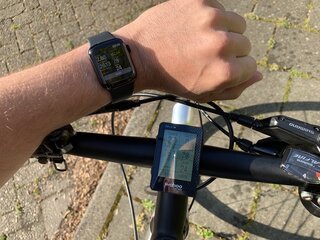
For the past week I have been riding my bicycle with Omata One, a special bike computer. Its mechanical hands indicate speed, distance, ascent and time ridden measured using precise GPS data. It is fun, read along to know why.

Improve your sleep by blocking light

Improve your sleep by blocking light

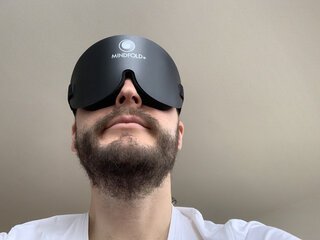
On the benefits of wearing a sleep mask in bed

Over the past few weeks I have been experimenting with wearing a sleep mask in bed, blocking all light. Our bodies produce the sleep hormone, melatonin, in darkness. Living in an environment awash in artificial light, is therefore exactly the sort of thing that disrupts one's circadian rhythm. Can a simple mask help?

Whoop strap review: 24/7 wearable sensor

Whoop strap review: 24/7 wearable sensor

Beyond fitness tracking and smartwatches

The past months I have been wearing the WHOOP Strap 3.0, a wearable sensor that collects health and fitness data. It's different compared to most other fitness bands as it was designed with professional athletes in mind. It is focussed on daily strain, recovery and sleep. Read along to find out how this works.

Realtime human pose recognition through computer vision

Realtime human pose recognition through computer vision

Using TensorFlow and PoseNet on a video feed

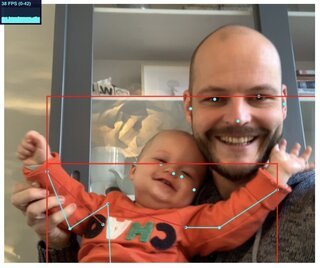
For an exciting new project I have been experimenting with computer vision using TensorFlow. I wanted to achieve realtime human pose detection to drive interactive video projections and games. Time to dive into the world of machine learning, tensors and computer vision!

Riding with a power meter on your bike

Riding with a power meter on your bike

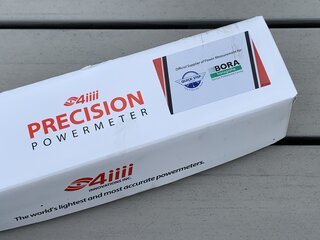
Installing and using the 4iiii Precision Powermeter

After I created a minimal road bike, I decided to install a power meter to find out what's it like to measure the power output of my legs. What can you learn from a power meter? Is it difficult to install? Is it worth it? Read along to find out.

Limitations of sleep tracking using a wearable

Limitations of sleep tracking using a wearable

Comparison with a chest strap HR-monitor

Sleep monitoring is a popular feature of many smartwatches and wearables. Devices like Fitbit, Withings, Apple Watch and Biostrap analyse biometrics during your sleep. These wearables are worn on the wrist and use optical sensors to capture your heart rate. I wondered how the optical sensors would compare to a high resolution chest strap HR-monitor.

Optical vs chest strap heart rate monitors

Optical vs chest strap heart rate monitors

Measuring beats per minute using different sensors

With modern wearables, smartwatches and fitness bands, it has become easy and common to measure your heart rate. There are however fundamental differences in sensor types. Some sensors capture the electrical signal from your heart while others use light to analyse the blood flowing through your vessels. If you're interested in measuring heart rate, it's good to understand these differences.

Solo around the Markermeer (211KM)

Solo around the Markermeer (211KM)

Tips to prepare, to endure and to enjoy long distance cycling

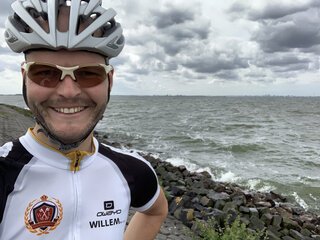
This week I took my bike for a long distance (211KM) ride around the Dutch Markermeer, solo! Unlike participating in an organised event with service, support and company along the way, going solo requires a different preparation, mindset and planning. Read along for some practical tips for long distance cycling.

The best bike computer app: Cyclemeter

The best bike computer app: Cyclemeter

Get advanced ride data with a flexible setup

This month I have intensified my training to become fit for this year's Fietselfstedentocht, a 235KM bicycle ride through Friesland. Over the years I have tested different kinds of bike computer setups: from dedicated (and expensive) Garmin Edge bike computers to no data at all. Eventually I came up with a flexible setup to gather advanced ride data using my smartphone, let me explain how this works.

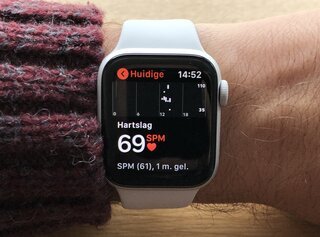
Swimming and cycling with Apple Watch

Swimming and cycling with Apple Watch

Different activities in the workout app in watchOS

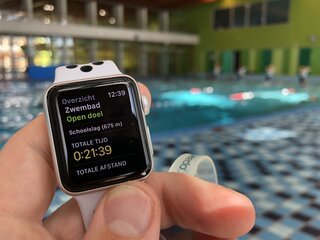
This month Apple launched a new Apple Watch series and released an update to watchOS. The focus of the smartwatch is more and more gearing towards health and fitness. This made me curious, how well does Apple Watch work for different activities?

Listen to your body

Listen to your body

Why I stopped using health and fitness sensors

A good customer of mine was once a physiotherapist, he told me about people asking him to "feel their muscles" to tell them how they where doing. "Crazy!" he told me: "I can never feel better than the people themselves, if they only would listen to their body". This caused me to question the health and fitness sensors I use.

Outside the comfort zone: amateur acting

Outside the comfort zone: amateur acting

Wearing an heart rate monitor during my debut performance

This month I made my debut as amateur actor. I am no Hollywood star, nor do I envy to become one. But I do like crazy experiments and operating outside of my comfort zone often leads to new and refreshing insights. I took part in an amateur drama play and - in the name of science and fun - strapped myself with sensors to measure what happened to my body.

Commuting by bike

Commuting by bike

One week (240KM) on the VanMoof Electrified S

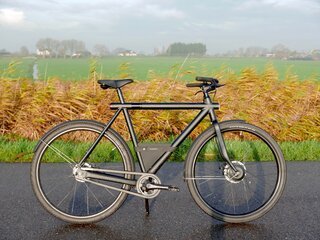
For a few years now, I commute to work using a bicycle. I have lost more than 15KG since I stopped using my scooter. This week I tested a VanMoof Electrified S, an electric bike with an industrial, minimal design. Is it any good? How does it compare to a normal bike? Will an electric bike make you lazy? Read along to find out!

Collecting health data with Biostrap

Collecting health data with Biostrap

Wearing a clinical-grade photoplethysmography (PPG) sensor for a month

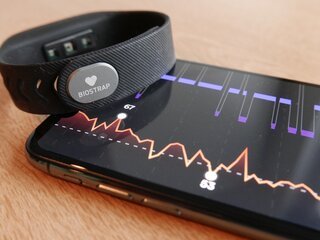
Most wearables (smartwatches, fitness trackers, etc.) use very basic sensors to capture heart rate. Their signal is binary: just counting beats. Biostrap is different, instead of just checking pulses, it captures a high-fidelity PPG waveform. These waveforms are the same kind that doctors use, making me wonder what I could learn from them!

Fietselfstedentocht 2017

Fietselfstedentocht 2017

Cycling the 235KM bicycle tour through Friesland

This month I cycled the Fietselfstedentocht, a 235KM tour through Friesland. This tour brings you through various Frisian cities throughout one of the most Northern provinces of the Netherlands. The tour was first organised in 1912 and has grown to become legendary due to its history, challenge and popularity; well worthy of a blog post!

One year of cycling

One year of cycling

GPS recording an entire year of bike rides using Garmin and Strava

One year ago I started recording all my bike rides, including commutes, short grocery trips and long Gran Fondos. I equipped my bicycles with Garmin Edge computers that recorded location (GPS), speed, cadence and my heart rate. I covered more than 7683 kilometers during 320 hours of riding. It's time to review all the data and share some photos I took along the ride!