Android Without Google — Smartphones on Your Own Terms
Budget hardware, degoogled software, and the ongoing search for a phone that respects its owner.
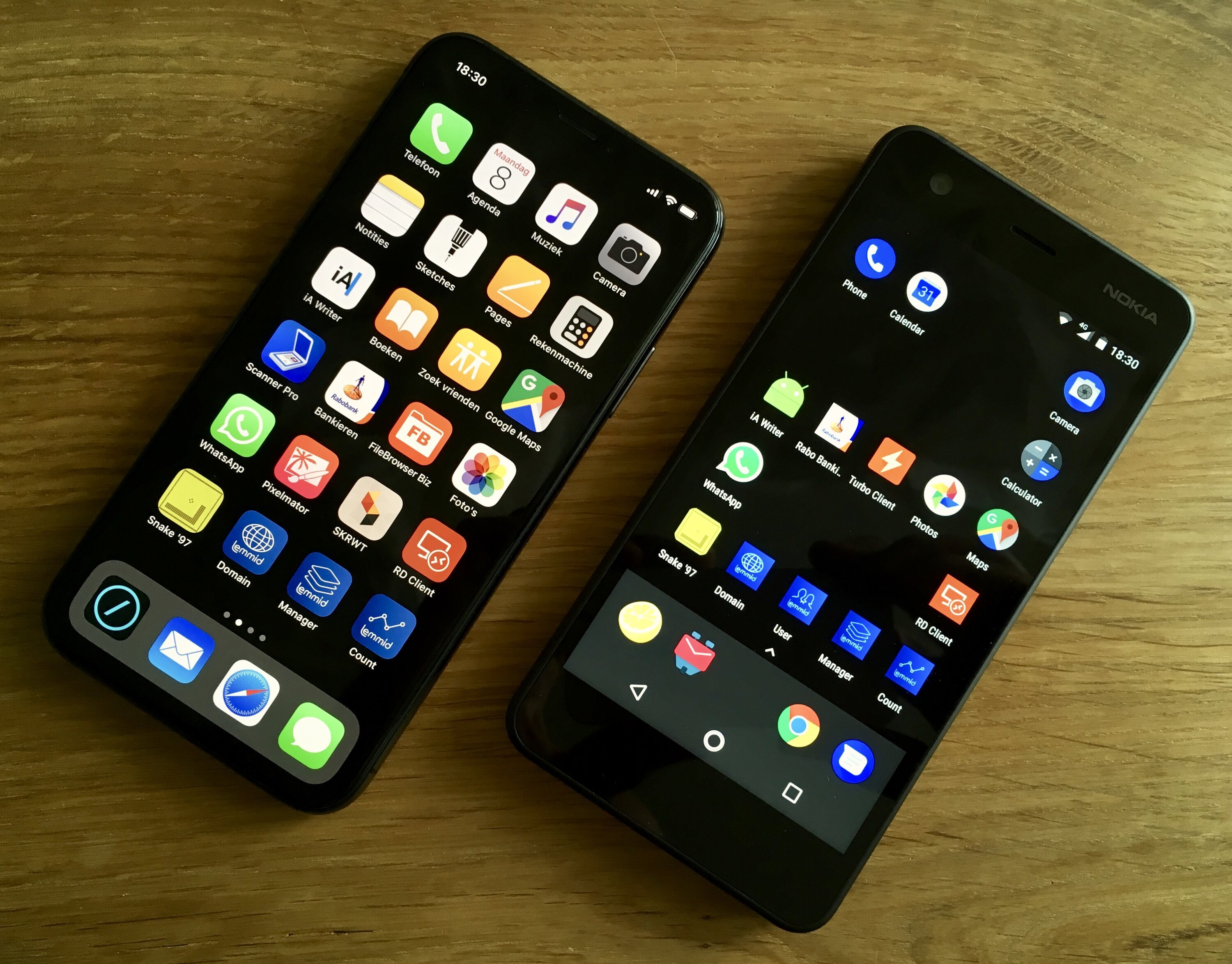
While most of the tech world debates iPhone versus Android, Willem asks a different question entirely: what if your phone didn't spy on you? These posts trace a journey from budget Androids to Google-free operating systems, from photo gallery apps to the philosophy of durable hardware.
The smartphone is the most personal computer most people own — and the one they have the least control over. Willem has been systematically reclaiming that control for years.
Going Budget
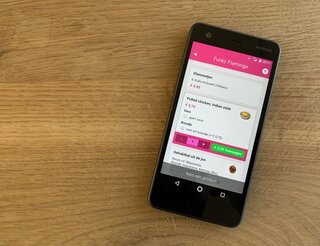
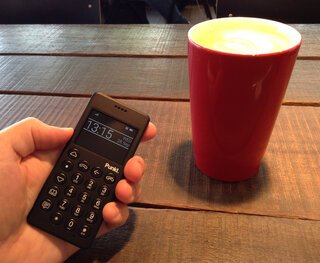
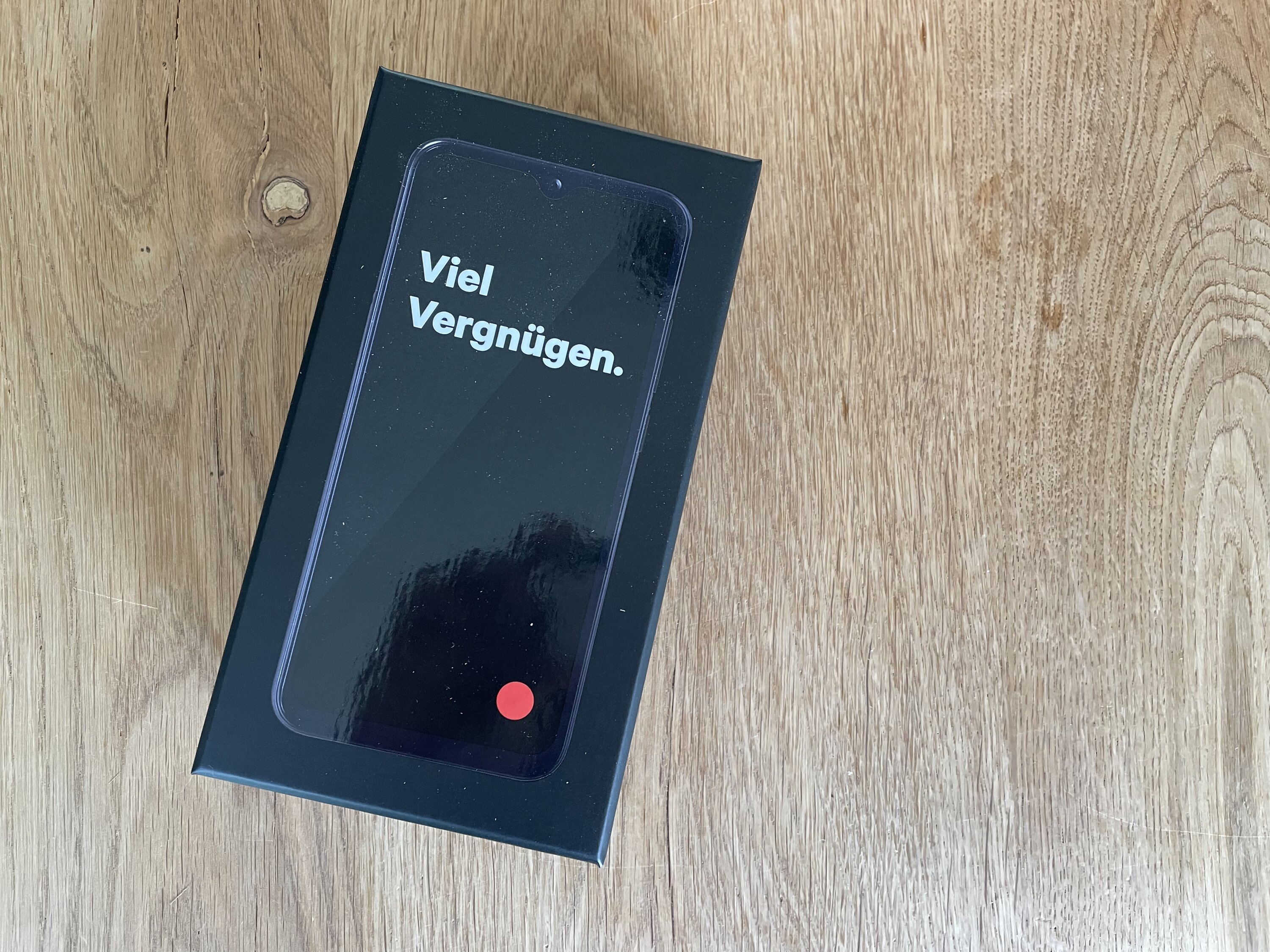
It started with a provocation: can you use a budget Android as your main smartphone? Not a flagship, not last year's model, but a genuinely cheap phone — used deliberately, with intention. The post tested the premise and found that most of what we pay for in a phone is things we don't need.
Going Google-Free
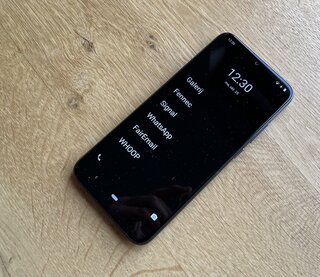
The next step was more radical. Using Google-free Android documents the experience of running a phone without any Google services — no Play Store, no Gmail, no Maps. What works, what breaks, and what you gain in return. It's one of Willem's most practically useful posts for anyone considering the same path.
Building the Tools
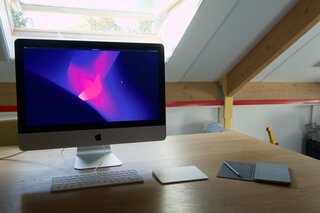
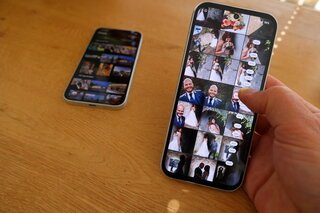
When you leave the mainstream, you sometimes have to build your own tools. The Aves Gallery posts document Willem's search for a photo gallery app that works without cloud services. And Omarchy on iMac pushes the experiment further: running Android applications on Apple desktop hardware.
The Philosophy
Running through all these posts is a consistent thread: technology should be durable, repairable, and under your control. The durable smartphone piece makes the case explicitly. It connects to the broader themes of Willem's blog — the same person who builds his own bikes and runs his own servers also chooses his own phone software.
Also explore
Apple ecosystem · digital minimalism · less screen time · built to last
All Smartphone and Freedom Posts
Every post about smartphones, mobile operating systems, and digital independence.