The Heart — Where Technology Meets the Body

MCADD, heart rate data, running, and the deeply personal thread that connects Willem's most intimate writing.

Beneath the technology posts and the cycling guides, there's a quieter thread in Willem's writing. It starts with a rare metabolic condition called MCADD, runs through years of heart rate monitoring, and surfaces in the most philosophical posts about what data can and cannot tell us about our own bodies.

This is the most personal part of Willem's blog. Not the gadgets, not the repairs — the body itself.

MCADD

The post about living with MCADD — a rare metabolic disorder — is unlike anything else on the site. It's raw, personal, and written from the experience of a parent navigating a condition that most doctors have never heard of. It explains what MCADD is, what it means for daily life, and how it shaped Willem's relationship with health data.
Six months with MCADD

Six months with MCADD

Thoughts and tips on the daily life as parents

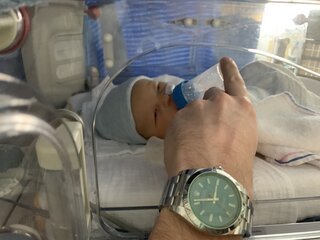
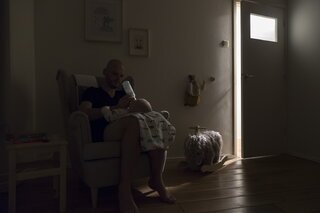
Tomorrow it's six months since our son was born, a good moment to reflect upon the experience of being a parent of a kid with MCADD. This metabolic condition demands special attention on the feeding schedule and preparation for situations when things go different. It's good to share that this has quickly become normal for us, here are some thoughts and tips.

Listening

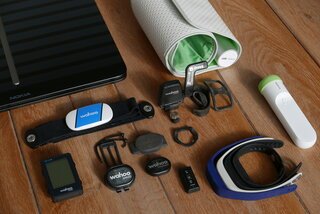
The MCADD experience led to a deeper attention to the body. Listen to your body is the pivot point — the post where fitness tracking becomes something more than numbers. It connects the sensor data to the lived experience of paying attention to what your body is telling you.
Listen to your body

Listen to your body

Why I stopped using health and fitness sensors

A good customer of mine was once a physiotherapist, he told me about people asking him to "feel their muscles" to tell them how they where doing. "Crazy!" he told me: "I can never feel better than the people themselves, if they only would listen to their body". This caused me to question the health and fitness sensors I use.

Measuring

From listening came measuring — systematically. The Whoop Strap, the heart rate comparisons, the sleep tracking limitations — these posts are driven by the same underlying question: can technology help us understand our bodies, or does it just add noise?
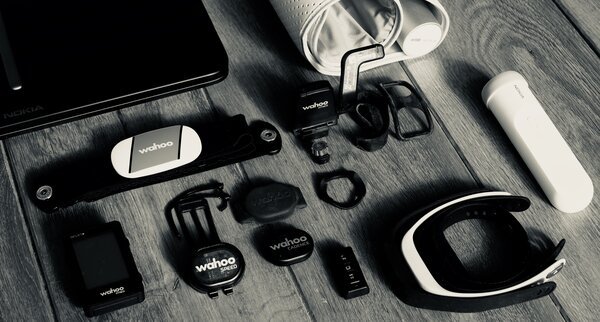
Whoop strap review: 24/7 wearable sensor

Whoop strap review: 24/7 wearable sensor

Beyond fitness tracking and smartwatches

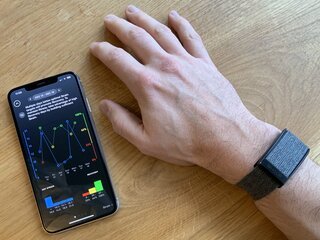
The past months I have been wearing the WHOOP Strap 3.0, a wearable sensor that collects health and fitness data. It's different compared to most other fitness bands as it was designed with professional athletes in mind. It is focussed on daily strain, recovery and sleep. Read along to find out how this works.

Limitations of sleep tracking using a wearable

Limitations of sleep tracking using a wearable

Comparison with a chest strap HR-monitor

Sleep monitoring is a popular feature of many smartwatches and wearables. Devices like Fitbit, Withings, Apple Watch and Biostrap analyse biometrics during your sleep. These wearables are worn on the wrist and use optical sensors to capture your heart rate. I wondered how the optical sensors would compare to a high resolution chest strap HR-monitor.

Optical vs chest strap heart rate monitors

Optical vs chest strap heart rate monitors

Measuring beats per minute using different sensors

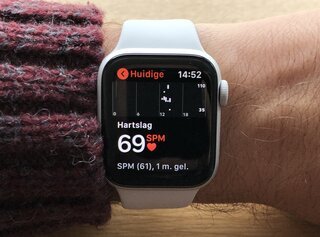
With modern wearables, smartwatches and fitness bands, it has become easy and common to measure your heart rate. There are however fundamental differences in sensor types. Some sensors capture the electrical signal from your heart while others use light to analyse the blood flowing through your vessels. If you're interested in measuring heart rate, it's good to understand these differences.

Making Sense

The later posts turn the data back into meaning. Different ways to visualise health asks whether graphs and dashboards actually help. And the most recent — Data versus Feeling — is the culmination: after years of wearing sensors, what have we actually learned? The answer is more nuanced than the fitness industry wants you to believe.
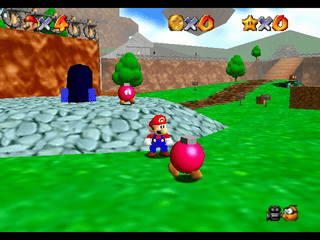
Data versus Feeling

Data versus Feeling

Running two marathons in 6 weeks

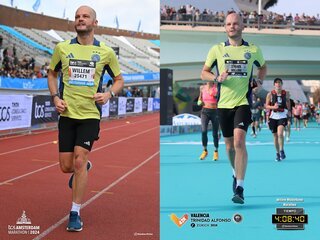
Earlier this month I ran the Valencia Marathon (42KM), just six weeks after finishing my first ever marathon in Amsterdam. I used two different approaches for these races: running on feeling and running on data. The experience differed greatly, let me explain it in this blog post.

Different ways to visualise health

Different ways to visualise health

Looking at games and fitness apps

This month I did some research into how health is visualised in fitness apps and games. For a new app involving personal health I am looking for an intuitive way to visualise how healthy one person is. There are many colourful approaches out there!

Into Running

The heart thread eventually led to running. The half marathon post brings everything together — MCADD awareness, heart rate data, sensor technology, and the experience of pushing a body you've spent years learning to listen to.
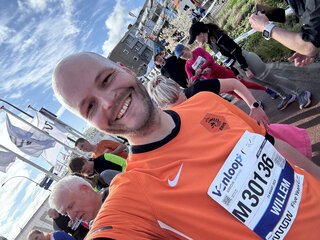
Half Marathon

Half Marathon

On Training, Data and Feeling

Last Sunday, I participated in the Venloop, a half marathon event in Venlo. I completed the 21KM run in 2h05, a result I am satisfied with as this was my first ever 'official' event since I began running just three months ago. In this post, I'll share my experiences with training, balancing fitness data, and feeling fit.

Also explore

wearable sensors · Whoop Strap review · sport and the body · fatherhood

All Heart Posts

Every post about the body, health data, heart rate monitoring, and the personal thread that connects them.
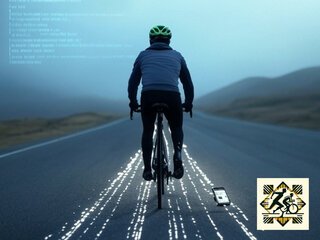
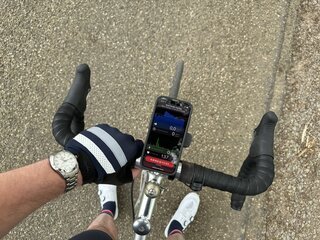
Open-Sourcing Gran Fondo

Open-Sourcing Gran Fondo

A Leap to Libre Fitness and Freedom

Gran Fondo, the app that tracks runs and rides, is going open-source. I’m removing its subscription model and make it libre. This isn’t about short-term revenue—it’s about building something enduring, private, and free for all. Here’s why I’m taking this plunge and what’s next.

Data versus Feeling

Data versus Feeling

Running two marathons in 6 weeks

Earlier this month I ran the Valencia Marathon (42KM), just six weeks after finishing my first ever marathon in Amsterdam. I used two different approaches for these races: running on feeling and running on data. The experience differed greatly, let me explain it in this blog post.

Developing a native iOS app

Developing a native iOS app

Making a cycling and running tracker

As a little side-project, squeezed between my normal work, I have been working on something of personal interest: a native workout tracking app for iOS. I wanted to make my smartwatch obsolete, instead using my phone to track workouts. How hard could it be to gather detailed sensor data using native Swift APIs?

Half Marathon

Half Marathon

On Training, Data and Feeling

Last Sunday, I participated in the Venloop, a half marathon event in Venlo. I completed the 21KM run in 2h05, a result I am satisfied with as this was my first ever 'official' event since I began running just three months ago. In this post, I'll share my experiences with training, balancing fitness data, and feeling fit.

Health and fitness data

Health and fitness data

Is more better?

Since the start of this new year I am working out harder than the previous months. I have set some goals for myself and have taken on a training scheme incorporating running, cycling and swimming. As I sift through the growing mountain of workout data, I find myself questioning: does having more data truly translate to better fitness outcomes??

Impact of training

Impact of training

Analysing WHOOP's trend data

This Monday I completed 235KM on my fixed gear bike during the Fietselfstedentocht 2023. It was a nice ride with fair weather and favourable wind conditions. Yet, I took the challenge seriously and prepared myself with some proper training. In this post I'll have a look at the trend data from my WHOOP in preparation for the Elfstedentocht.

Tips for Long-Distance Cycling

Tips for Long-Distance Cycling

Riding 204KM on a fixed gear bike

In preparation for this year’s Fietselfstedentocht (236KM), I took my bike and set out for an adventurous ride through half of the Netherlands. It was my first long distance ride after being infected with COVID. If you're considering a long-distance ride yourself, be sure to read along to discover invaluable tips and tricks from my experience.

Wearing WHOOP 4.0

Wearing WHOOP 4.0

Why you should wear a biometric sensor

How often do you look in the mirror? Probably more than a few times a week! I have been thinking about this ever since I received my newest WHOOP 4.0 biometric sensor. It's great. But, why do I wear it? What value does it provide? Why should you wear it?

Riding with Omata One

Riding with Omata One

Analogue cycling computer with GPS

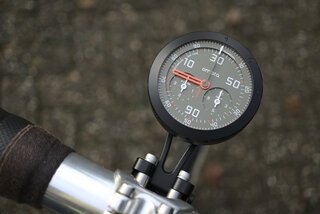
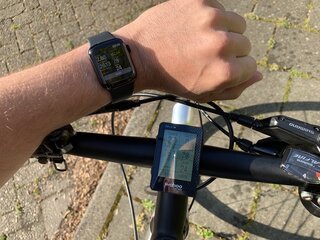
For the past week I have been riding my bicycle with Omata One, a special bike computer. Its mechanical hands indicate speed, distance, ascent and time ridden measured using precise GPS data. It is fun, read along to know why.

Measuring cholesterol levels in blood

Measuring cholesterol levels in blood

Know your LDL, HDL and Triglyceride numbers

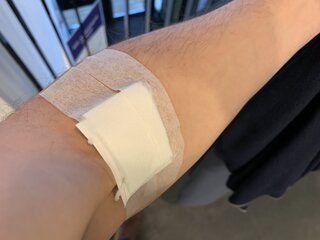
This week I went to my doctor to have my blood examined, to determine my cholesterol levels. Over the past years I have been paying more and more attention to my health. After improving my lifestyle considerably, I wondered what my numbers were.

Improve your sleep by blocking light

Improve your sleep by blocking light

On the benefits of wearing a sleep mask in bed

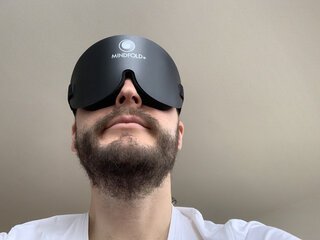
Over the past few weeks I have been experimenting with wearing a sleep mask in bed, blocking all light. Our bodies produce the sleep hormone, melatonin, in darkness. Living in an environment awash in artificial light, is therefore exactly the sort of thing that disrupts one's circadian rhythm. Can a simple mask help?

Whoop strap review: 24/7 wearable sensor

Whoop strap review: 24/7 wearable sensor

Beyond fitness tracking and smartwatches

The past months I have been wearing the WHOOP Strap 3.0, a wearable sensor that collects health and fitness data. It's different compared to most other fitness bands as it was designed with professional athletes in mind. It is focussed on daily strain, recovery and sleep. Read along to find out how this works.

Riding with a power meter on your bike

Riding with a power meter on your bike

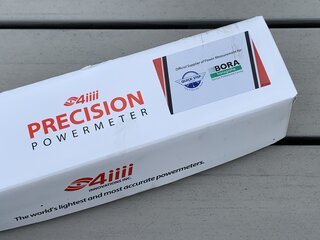
Installing and using the 4iiii Precision Powermeter

After I created a minimal road bike, I decided to install a power meter to find out what's it like to measure the power output of my legs. What can you learn from a power meter? Is it difficult to install? Is it worth it? Read along to find out.

Limitations of sleep tracking using a wearable

Limitations of sleep tracking using a wearable

Comparison with a chest strap HR-monitor

Sleep monitoring is a popular feature of many smartwatches and wearables. Devices like Fitbit, Withings, Apple Watch and Biostrap analyse biometrics during your sleep. These wearables are worn on the wrist and use optical sensors to capture your heart rate. I wondered how the optical sensors would compare to a high resolution chest strap HR-monitor.

Optical vs chest strap heart rate monitors

Optical vs chest strap heart rate monitors

Measuring beats per minute using different sensors

With modern wearables, smartwatches and fitness bands, it has become easy and common to measure your heart rate. There are however fundamental differences in sensor types. Some sensors capture the electrical signal from your heart while others use light to analyse the blood flowing through your vessels. If you're interested in measuring heart rate, it's good to understand these differences.

Solo around the Markermeer (211KM)

Solo around the Markermeer (211KM)

Tips to prepare, to endure and to enjoy long distance cycling

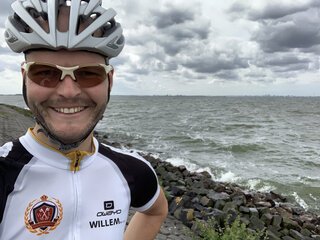
This week I took my bike for a long distance (211KM) ride around the Dutch Markermeer, solo! Unlike participating in an organised event with service, support and company along the way, going solo requires a different preparation, mindset and planning. Read along for some practical tips for long distance cycling.

The best bike computer app: Cyclemeter

The best bike computer app: Cyclemeter

Get advanced ride data with a flexible setup

This month I have intensified my training to become fit for this year's Fietselfstedentocht, a 235KM bicycle ride through Friesland. Over the years I have tested different kinds of bike computer setups: from dedicated (and expensive) Garmin Edge bike computers to no data at all. Eventually I came up with a flexible setup to gather advanced ride data using my smartphone, let me explain how this works.

Born with MCADD

Born with MCADD

Medium chain acyl-CoA dehydrogenase deficiency

Just days after our son was born, we ran into trouble when our little man didn't want to eat anymore. Repeated attempts to feed him failed as he appeared to be too tired to drink from his mother. When we measured his body temperature we were shocked, only 33º Celsius! What followed was nothing less than an incredible emotional rollercoaster!

My first weeks as dad

My first weeks as dad

On the challenges and rewards of being a father

Last Christmas my wife gave birth to our son, a little boy that would change everything! It's an incredible experience to become a parent, especially if it is your first kid. It introduces a whole new way of living, having to deal with regular feeding, caring and sleepless nights. Read along for my (biometric) findings and some practical tips!

Do amazing things with a focused mind

Do amazing things with a focused mind

Taking an ice bath and swimming in the Amstel river

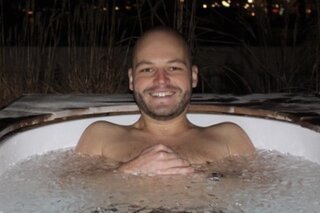
Just when the temperature was a low 2° Celsius, I jumped in the Amstel river! While it was nearly freezing outside I went for a swim, just moments after I've taken an ice bath! This post is about the incredible birthday present I got, a workshop involving the Wim Hof Method.

Swimming and cycling with Apple Watch

Swimming and cycling with Apple Watch

Different activities in the workout app in watchOS

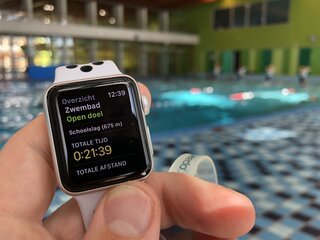
This month Apple launched a new Apple Watch series and released an update to watchOS. The focus of the smartwatch is more and more gearing towards health and fitness. This made me curious, how well does Apple Watch work for different activities?

Listen to your body

Listen to your body

Why I stopped using health and fitness sensors

A good customer of mine was once a physiotherapist, he told me about people asking him to "feel their muscles" to tell them how they where doing. "Crazy!" he told me: "I can never feel better than the people themselves, if they only would listen to their body". This caused me to question the health and fitness sensors I use.

Outside the comfort zone: amateur acting

Outside the comfort zone: amateur acting

Wearing an heart rate monitor during my debut performance

This month I made my debut as amateur actor. I am no Hollywood star, nor do I envy to become one. But I do like crazy experiments and operating outside of my comfort zone often leads to new and refreshing insights. I took part in an amateur drama play and - in the name of science and fun - strapped myself with sensors to measure what happened to my body.

Commuting by bike

Commuting by bike

One week (240KM) on the VanMoof Electrified S

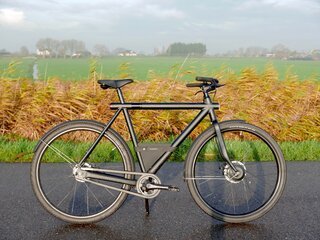
For a few years now, I commute to work using a bicycle. I have lost more than 15KG since I stopped using my scooter. This week I tested a VanMoof Electrified S, an electric bike with an industrial, minimal design. Is it any good? How does it compare to a normal bike? Will an electric bike make you lazy? Read along to find out!

Collecting health data with Biostrap

Collecting health data with Biostrap

Wearing a clinical-grade photoplethysmography (PPG) sensor for a month

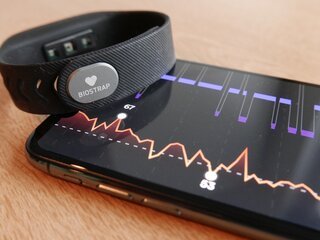
Most wearables (smartwatches, fitness trackers, etc.) use very basic sensors to capture heart rate. Their signal is binary: just counting beats. Biostrap is different, instead of just checking pulses, it captures a high-fidelity PPG waveform. These waveforms are the same kind that doctors use, making me wonder what I could learn from them!

Fietselfstedentocht 2017

Fietselfstedentocht 2017

Cycling the 235KM bicycle tour through Friesland

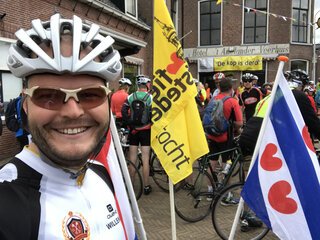
This month I cycled the Fietselfstedentocht, a 235KM tour through Friesland. This tour brings you through various Frisian cities throughout one of the most Northern provinces of the Netherlands. The tour was first organised in 1912 and has grown to become legendary due to its history, challenge and popularity; well worthy of a blog post!