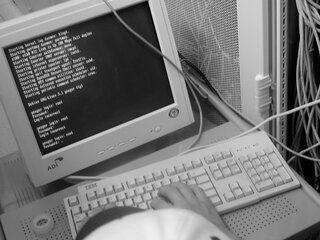
Self-Hosting — Running Your Own Infrastructure on Linux
Mail servers, DNS, backups, and the quiet satisfaction of running everything yourself.
Willem runs his own mail server, his own DNS, his own cloud. Not because it's easy, but because he believes in understanding and owning the infrastructure you depend on. These posts are the field notes from that ongoing project.
There's a particular kind of person who, when their email stops working, doesn't call support — they SSH into the server and read the logs. Willem is that kind of person, and he's been writing about it for years.
Mail, the Hard Way
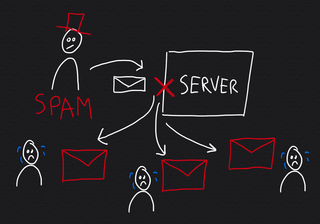
The flagship is the Dovecot series. When Dovecot released version 2.4 with breaking changes, Willem wrote the definitive migration guide — the post that now ranks in the top results for anyone upgrading their mail server. But the mail infrastructure goes deeper: fighting backscatter spam at the server level, configuring Postfix, understanding the entire chain from DNS to inbox.

Backups and Data Sovereignty
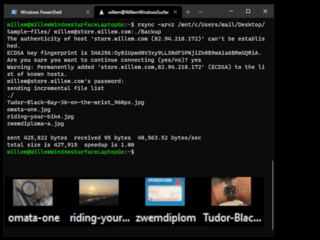
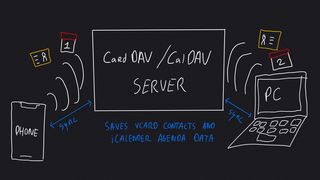
If you run your own server, you need your own backup strategy. The rsync guide is a complete manual for backup rotation schemes, and the piece on running your own address book and calendar cloud is a quiet manifesto for digital independence.

Networking and Security
Traffic shaping with iptables and tc, DNS for beginners, the philosophy of offline-first computing — these are the building blocks posts. They assume you're willing to learn, and they teach you properly.

Also explore
built to last · retro computing · writing code · digital minimalism
All Self-Hosting Posts
The complete archive of posts about servers, Linux, networking, and running your own infrastructure.