Watches and Time — A Decade of Horology, Technology and Craft

From mechanical movements to wrist-worn computers — what we wear on our wrists and why it matters.

Twenty-four posts spanning eight years. What began with strapping an Apple Watch to one wrist and a mechanical watch to the other became a broader inquiry into time, craft, and the objects we choose to carry.

Willem's writing about watches started from a question most people never think to ask: in an age when every device tells the time, why would anyone strap a mechanical movement to their wrist?

The answer, it turns out, has almost nothing to do with telling time.

The Mechanical Side

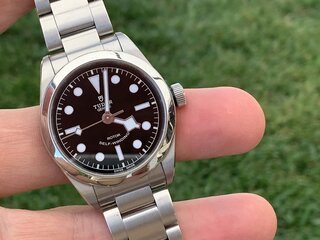
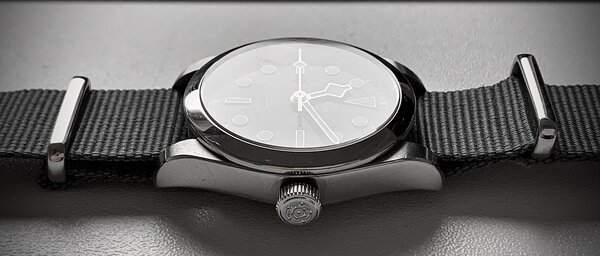
The centrepiece is a three-year daily-wear review of the Tudor Black Bay 36 — not a first-impressions piece but a long-term companion study, written after the watch had earned every scratch on its case. From there, the thread extends to the Rolex Datejust 36, a Grand Seiko, and a vintage piece found at a flea market that needed cleaning and restoration by hand.
Rolex DateJust 36

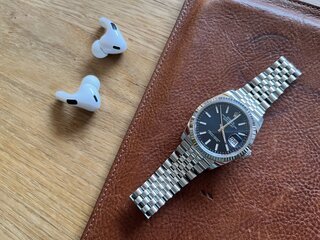
Rolex DateJust 36

A crown for every achievement

The year 2022 has been very special to me, after working very hard to make it possible: me and my family finally made the big move to Limburg. To commemorate this milestone, I got myself a timeless timepiece: the Rolex DateJust 36. Read on to find out what it's like!

Wearing Grand Seiko

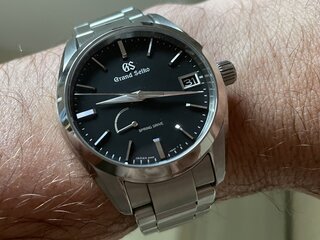
Wearing Grand Seiko

On craftsmanship, innovation and practicality

Sadness could be seen in my eyes when my custom made watch got damaged earlier this month, while awaiting repairs I was fortunate to wear a Grand Seiko. Its unique mix of craftsmanship, innovation and practicality is worth sharing with you.

Tudor Black Bay 36 long-term review

Tudor Black Bay 36 long-term review

Six months on the wrist

For the past six months I have been wearing the same watch, pretty much every day and night. It's a Tudor Black Bay 36 watch in steel, with a black dial. I like minimal (yet functional) design that lasts, this watch certainly ticks the right boxes. Read along to find out how wearable a smaller watch is in daily practice.

The Digital Side

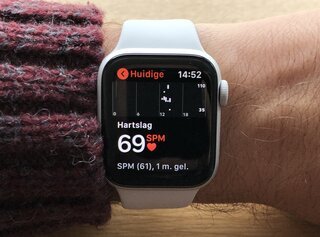
In parallel, Willem has been a long-time Apple Watch wearer — not for notifications, but as a health sensor. The posts explore heart rate monitoring, sleep tracking, the limitations of optical sensors, and the radical experiment of using an Apple Watch as a phone replacement: no iPhone, just the watch on cellular.
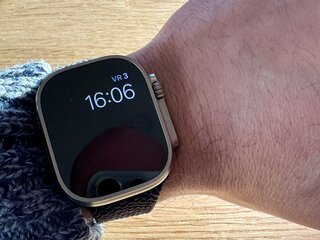
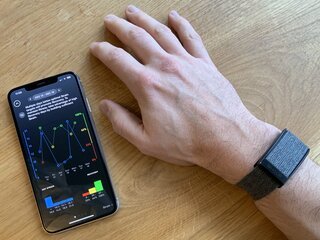
Apple Watch as Phone

Apple Watch as Phone

Replace your smartphone with a smartwatch

Imagine a week without your smartphone, replaced solely by the sleek simplicity of a smartwatch. This week I did this, leaving my smartphone behind and letting an Apple Watch take the helm. Many hail this as a liberating escape from our attention-seeking digital sidekicks, but does it truly live up to the hype? Join me on this intriguing journey, where technology meets minimalism, and discover whether less really can be more.

Whoop strap review: 24/7 wearable sensor

Whoop strap review: 24/7 wearable sensor

Beyond fitness tracking and smartwatches

The past months I have been wearing the WHOOP Strap 3.0, a wearable sensor that collects health and fitness data. It's different compared to most other fitness bands as it was designed with professional athletes in mind. It is focussed on daily strain, recovery and sleep. Read along to find out how this works.

Optical vs chest strap heart rate monitors

Optical vs chest strap heart rate monitors

Measuring beats per minute using different sensors

With modern wearables, smartwatches and fitness bands, it has become easy and common to measure your heart rate. There are however fundamental differences in sensor types. Some sensors capture the electrical signal from your heart while others use light to analyse the blood flowing through your vessels. If you're interested in measuring heart rate, it's good to understand these differences.

Where Both Worlds Meet

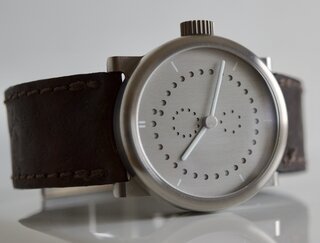
The most distinctive thread is where mechanical and digital collide. The post on wearing two watches — one analogue, one digital — is a meditation on what each gives you that the other cannot. The essay on patina argues that a smartwatch's disposability is its greatest weakness. And the ambitious project of designing his own watch from scratch brings both worlds together.

Wearing two watches

Wearing two watches

Both a mechanical and a smartwatch

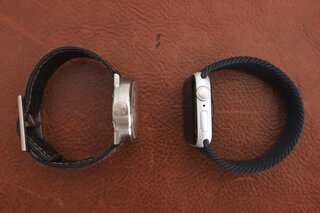
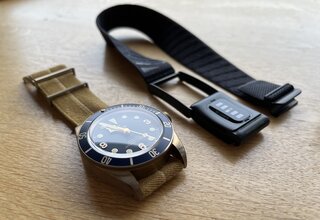
For the past weeks I have been wearing two watches, and boy this is a thing! I love my mechanical watch, but I needed the modern connectivity of a smartwatch. I couldn't choose between them, so I decided to wear both. It's not as bad as you think, let me share some thoughts on my experience.

Designing my own watch

Designing my own watch

Timeless timepiece, both functional and comfortable

Last month a very special package arrived from Switzerland, containing my custom made wrist watch. I decided to sell all my big brand watches and have them replaced by something unique, tailored to my personal preferences. This is the story of my watch.

Something the smartwatch will never have: patina

Something the smartwatch will never have: patina

Wear and tear by the hands of time

A good friend of mine had an issue with his Apple Watch, the digital crown lost a rubber ring causing the watch to lose its water resistance. Apple made no problem of it and offered to replace his "device". While it solved his problem, it felt painful to my watch lover's ears. It made me realise the one thing a smartwatch will never have: patina.

Measuring the Body

Watches led to wearables, which led to a deeper inquiry into what we can learn from the data our bodies produce. The Whoop Strap review, the Biostrap experiments, the optical vs chest strap comparison, and the philosophical piece "Data versus Feeling" all grew from the same root: the wrist as an interface between self and information.

Data versus Feeling

Data versus Feeling

Running two marathons in 6 weeks

Earlier this month I ran the Valencia Marathon (42KM), just six weeks after finishing my first ever marathon in Amsterdam. I used two different approaches for these races: running on feeling and running on data. The experience differed greatly, let me explain it in this blog post.

Wearing WHOOP 4.0

Wearing WHOOP 4.0

Why you should wear a biometric sensor

How often do you look in the mirror? Probably more than a few times a week! I have been thinking about this ever since I received my newest WHOOP 4.0 biometric sensor. It's great. But, why do I wear it? What value does it provide? Why should you wear it?

Limitations of sleep tracking using a wearable

Limitations of sleep tracking using a wearable

Comparison with a chest strap HR-monitor

Sleep monitoring is a popular feature of many smartwatches and wearables. Devices like Fitbit, Withings, Apple Watch and Biostrap analyse biometrics during your sleep. These wearables are worn on the wrist and use optical sensors to capture your heart rate. I wondered how the optical sensors would compare to a high resolution chest strap HR-monitor.

Also explore

wearable sensors · designing and making · long-term reviews · sport and the body

The Full Collection

Every post Willem has written about watches, wearables, and the things we strap to our wrists — in chronological order.

Data versus Feeling

Data versus Feeling

Running two marathons in 6 weeks

Earlier this month I ran the Valencia Marathon (42KM), just six weeks after finishing my first ever marathon in Amsterdam. I used two different approaches for these races: running on feeling and running on data. The experience differed greatly, let me explain it in this blog post.

Developing a native iOS app

Developing a native iOS app

Making a cycling and running tracker

As a little side-project, squeezed between my normal work, I have been working on something of personal interest: a native workout tracking app for iOS. I wanted to make my smartwatch obsolete, instead using my phone to track workouts. How hard could it be to gather detailed sensor data using native Swift APIs?

Half Marathon

Half Marathon

On Training, Data and Feeling

Last Sunday, I participated in the Venloop, a half marathon event in Venlo. I completed the 21KM run in 2h05, a result I am satisfied with as this was my first ever 'official' event since I began running just three months ago. In this post, I'll share my experiences with training, balancing fitness data, and feeling fit.

Apple Watch as Phone

Apple Watch as Phone

Replace your smartphone with a smartwatch

Imagine a week without your smartphone, replaced solely by the sleek simplicity of a smartwatch. This week I did this, leaving my smartphone behind and letting an Apple Watch take the helm. Many hail this as a liberating escape from our attention-seeking digital sidekicks, but does it truly live up to the hype? Join me on this intriguing journey, where technology meets minimalism, and discover whether less really can be more.

Rolex DateJust 36

Rolex DateJust 36

A crown for every achievement

The year 2022 has been very special to me, after working very hard to make it possible: me and my family finally made the big move to Limburg. To commemorate this milestone, I got myself a timeless timepiece: the Rolex DateJust 36. Read on to find out what it's like!

Wearing WHOOP 4.0

Wearing WHOOP 4.0

Why you should wear a biometric sensor

How often do you look in the mirror? Probably more than a few times a week! I have been thinking about this ever since I received my newest WHOOP 4.0 biometric sensor. It's great. But, why do I wear it? What value does it provide? Why should you wear it?

Wearing Grand Seiko

Wearing Grand Seiko

On craftsmanship, innovation and practicality

Sadness could be seen in my eyes when my custom made watch got damaged earlier this month, while awaiting repairs I was fortunate to wear a Grand Seiko. Its unique mix of craftsmanship, innovation and practicality is worth sharing with you.

Wearing two watches

Wearing two watches

Both a mechanical and a smartwatch

For the past weeks I have been wearing two watches, and boy this is a thing! I love my mechanical watch, but I needed the modern connectivity of a smartwatch. I couldn't choose between them, so I decided to wear both. It's not as bad as you think, let me share some thoughts on my experience.

Realtime service uptime monitoring

Realtime service uptime monitoring

Discover problems before your customers do

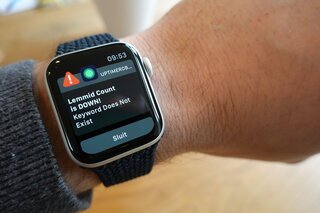
Downtime happens and it is nothing to be ashamed of, just make sure that you set yourself up to discover problems as soon as possible! You can use realtime uptime monitoring to automatically keep an eye on your servers and services. Read along to find out how.

Designing my own watch

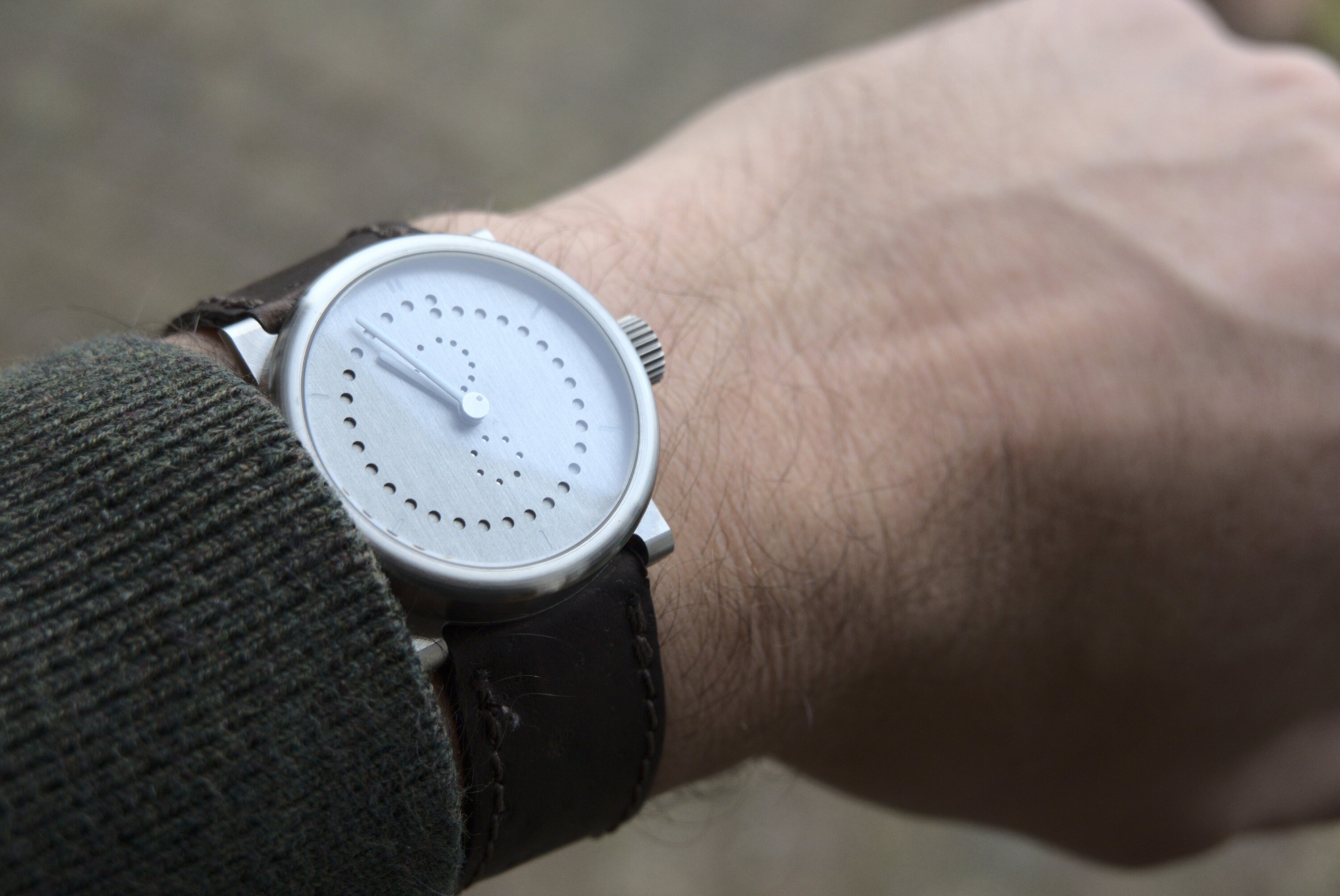
Designing my own watch

Timeless timepiece, both functional and comfortable

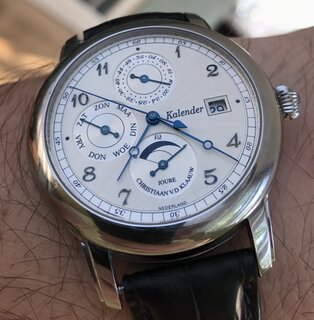
Last month a very special package arrived from Switzerland, containing my custom made wrist watch. I decided to sell all my big brand watches and have them replaced by something unique, tailored to my personal preferences. This is the story of my watch.

Cleaning a vintage watch

Cleaning a vintage watch

Rediscovering old beauty under layers of dirt

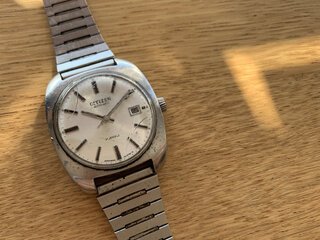
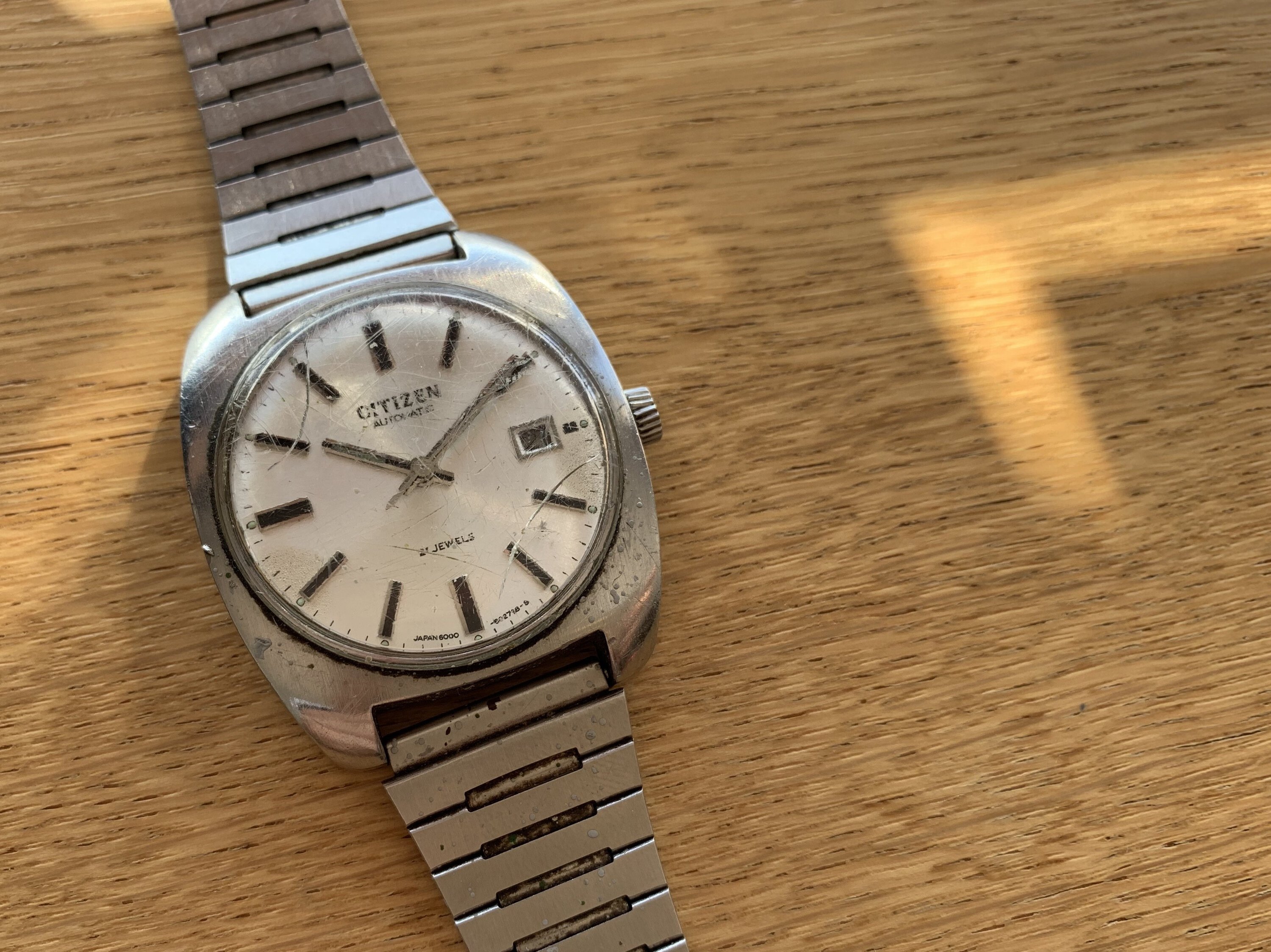
This week I was cleaning my closet when I found an old watch. It came from my grandfather’s house. It looked like it had an adventurous live, full of wear and tear. I recognised that it had an automatic mechanical movement. Upon picking it up it almost instantly started running again. I wondered how cool it would be if I would gently clean it.

Tudor Black Bay 36 long-term review

Tudor Black Bay 36 long-term review

Six months on the wrist

For the past six months I have been wearing the same watch, pretty much every day and night. It's a Tudor Black Bay 36 watch in steel, with a black dial. I like minimal (yet functional) design that lasts, this watch certainly ticks the right boxes. Read along to find out how wearable a smaller watch is in daily practice.

Different ways to visualise health

Different ways to visualise health

Looking at games and fitness apps

This month I did some research into how health is visualised in fitness apps and games. For a new app involving personal health I am looking for an intuitive way to visualise how healthy one person is. There are many colourful approaches out there!

Whoop strap review: 24/7 wearable sensor

Whoop strap review: 24/7 wearable sensor

Beyond fitness tracking and smartwatches

The past months I have been wearing the WHOOP Strap 3.0, a wearable sensor that collects health and fitness data. It's different compared to most other fitness bands as it was designed with professional athletes in mind. It is focussed on daily strain, recovery and sleep. Read along to find out how this works.

Limitations of sleep tracking using a wearable

Limitations of sleep tracking using a wearable

Comparison with a chest strap HR-monitor

Sleep monitoring is a popular feature of many smartwatches and wearables. Devices like Fitbit, Withings, Apple Watch and Biostrap analyse biometrics during your sleep. These wearables are worn on the wrist and use optical sensors to capture your heart rate. I wondered how the optical sensors would compare to a high resolution chest strap HR-monitor.

Optical vs chest strap heart rate monitors

Optical vs chest strap heart rate monitors

Measuring beats per minute using different sensors

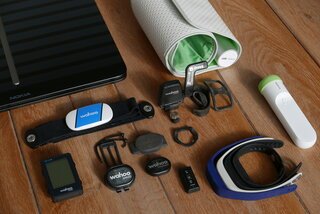
With modern wearables, smartwatches and fitness bands, it has become easy and common to measure your heart rate. There are however fundamental differences in sensor types. Some sensors capture the electrical signal from your heart while others use light to analyse the blood flowing through your vessels. If you're interested in measuring heart rate, it's good to understand these differences.

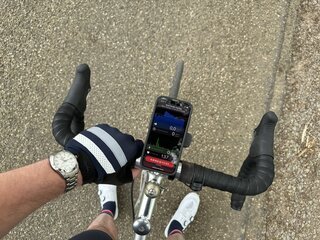
The best bike computer app: Cyclemeter

The best bike computer app: Cyclemeter

Get advanced ride data with a flexible setup

This month I have intensified my training to become fit for this year's Fietselfstedentocht, a 235KM bicycle ride through Friesland. Over the years I have tested different kinds of bike computer setups: from dedicated (and expensive) Garmin Edge bike computers to no data at all. Eventually I came up with a flexible setup to gather advanced ride data using my smartphone, let me explain how this works.

Is the Apple Watch the modern tool watch?

Is the Apple Watch the modern tool watch?

Testing the Apple Watch's usefulness in real life

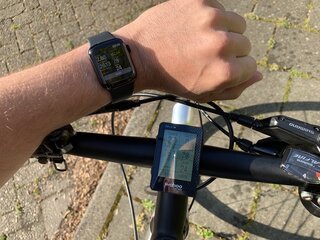
This week I went to Frankfurt for business. I had to perform maintenance to servers in a data centre. This seemed like a great opportunity to test the Apple Watch's usefulness in real life (other than health and fitness). I wondered, is the Apple Watch the modern tool watch?

Swimming and cycling with Apple Watch

Swimming and cycling with Apple Watch

Different activities in the workout app in watchOS

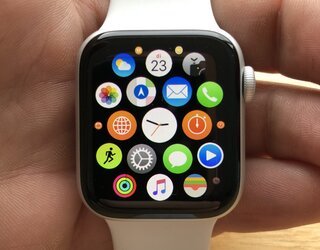
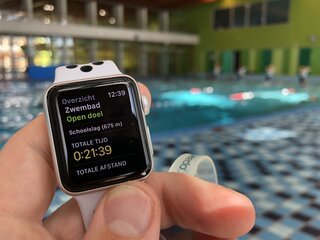
This month Apple launched a new Apple Watch series and released an update to watchOS. The focus of the smartwatch is more and more gearing towards health and fitness. This made me curious, how well does Apple Watch work for different activities?

Listen to your body

Listen to your body

Why I stopped using health and fitness sensors

A good customer of mine was once a physiotherapist, he told me about people asking him to "feel their muscles" to tell them how they where doing. "Crazy!" he told me: "I can never feel better than the people themselves, if they only would listen to their body". This caused me to question the health and fitness sensors I use.

Something the smartwatch will never have: patina

Something the smartwatch will never have: patina

Wear and tear by the hands of time

A good friend of mine had an issue with his Apple Watch, the digital crown lost a rubber ring causing the watch to lose its water resistance. Apple made no problem of it and offered to replace his "device". While it solved his problem, it felt painful to my watch lover's ears. It made me realise the one thing a smartwatch will never have: patina.

Collecting health data with Biostrap

Collecting health data with Biostrap

Wearing a clinical-grade photoplethysmography (PPG) sensor for a month

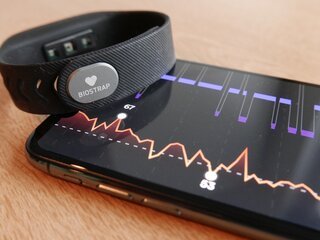
Most wearables (smartwatches, fitness trackers, etc.) use very basic sensors to capture heart rate. Their signal is binary: just counting beats. Biostrap is different, instead of just checking pulses, it captures a high-fidelity PPG waveform. These waveforms are the same kind that doctors use, making me wonder what I could learn from them!

Smartwatches vs Mechanical watches

Smartwatches vs Mechanical watches

Why I still wear mechanical and why smartwatches have potential

Technology has come a long way since the first computer. Smartwatches today are very much an achievement of miniaturisation of technology. I recently used an Apple Watch Series 2 to find out if technology has come far enough to replace my mechanical watch, today I share you my findings.

Programming on Apple Watch

Programming on Apple Watch

Serious about crazy experiments

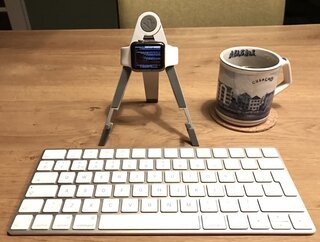
Over the past years I have been no stranger to crazy experiments, but this time I really wanted to push it into the extreme: programming on an Apple Watch. Would it be possible to actually write code on such a tiny device? Why even bother? This post is about the case for crazy experiments, and why you should try too!