Wearable Sensors — Measuring the Body, Questioning the Data
Heart rate monitors, sleep trackers, and the thin line between insight and obsession.
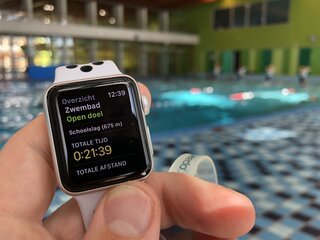
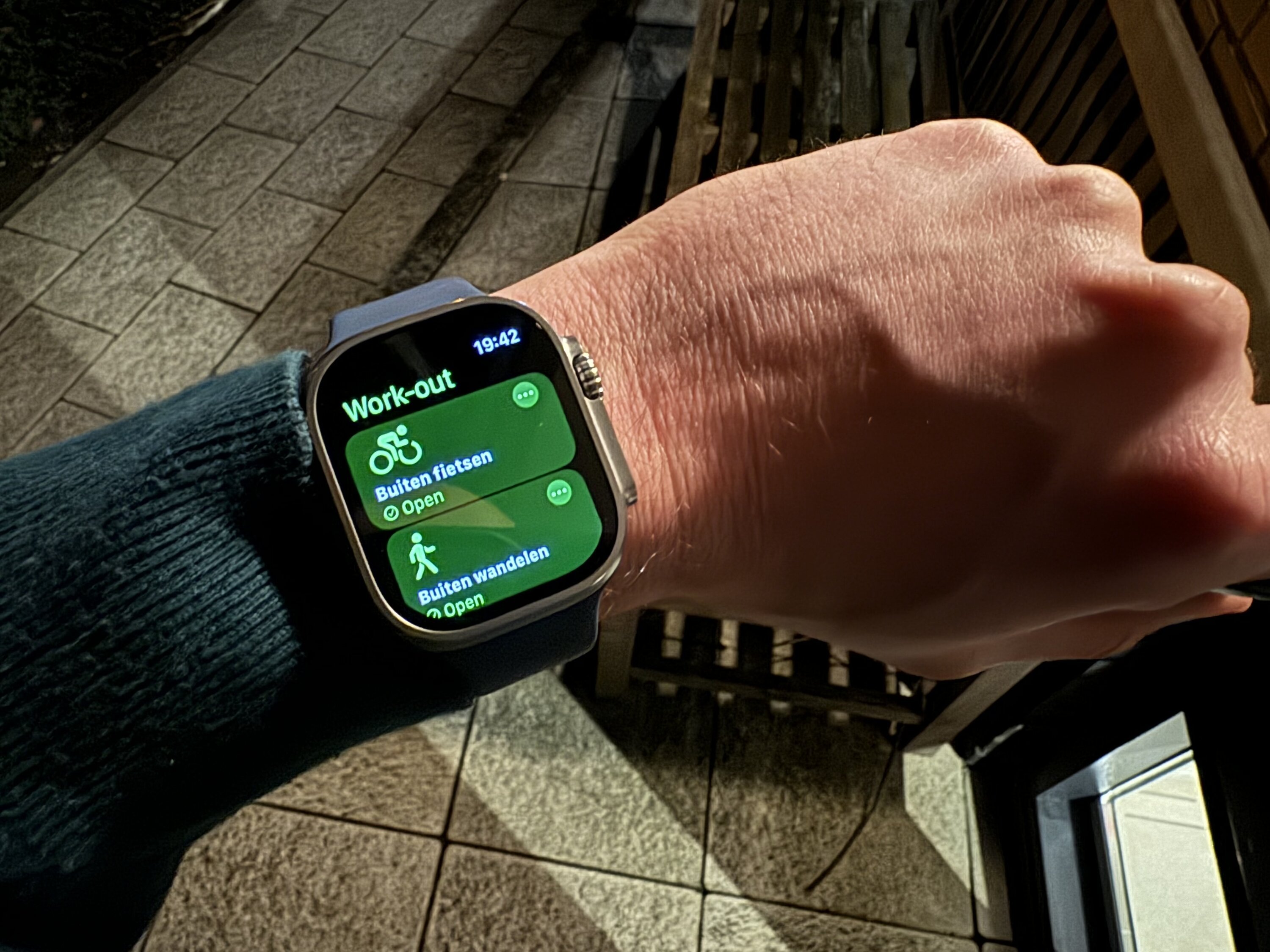
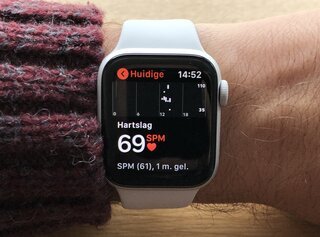
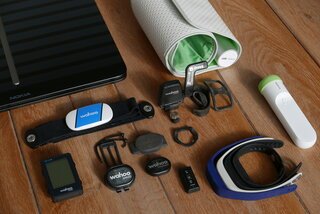
Willem has worn sensors on his body almost continuously since 2017 — Biostrap, Apple Watch, Whoop Strap, chest straps, optical monitors. The posts trace what happens when an engineer starts measuring himself: useful knowledge, surprising limits, and the philosophical question of when data helps and when it hurts.
It began with curiosity — what can a sensor strapped to your wrist actually tell you about your body? Seven years and dozens of devices later, the answer is: more than you'd think, and less than the marketing claims.
The Deep Dives
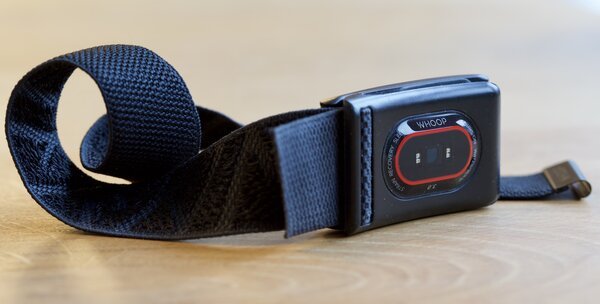
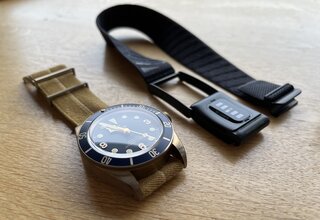
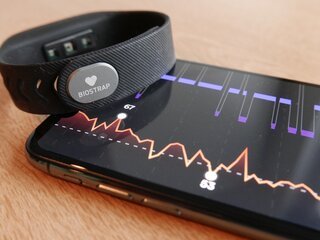
The Whoop Strap review is the centrepiece — a 24/7 wearable sensor worn for months, tested against clinical-grade equipment, written up with the rigour of someone who actually understands the data. The WHOOP 4.0 follow-up continues the story. And the Biostrap experiment from 2017 is where it all started.
The Honest Comparisons
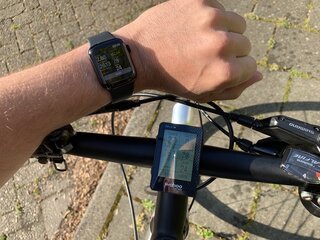
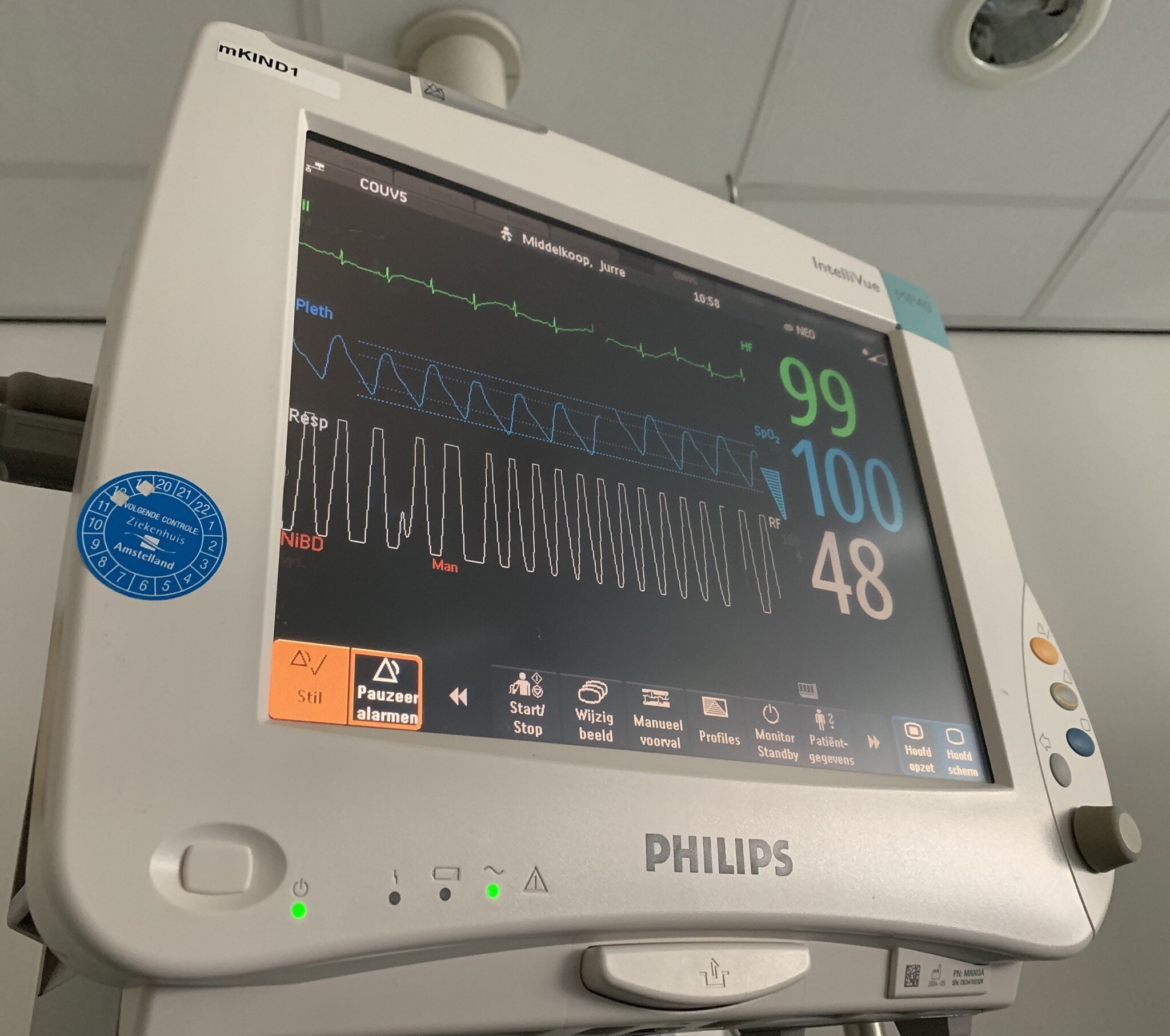
Not all sensors are equal — and not all data is useful. The optical vs chest strap heart rate comparison is a technical deep-dive that runners and cyclists bookmark. The sleep tracking limitations piece is a rare honest assessment of what wrist-based sleep tracking can and cannot do.
Data, Visualisation and Feeling
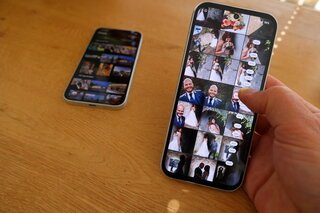
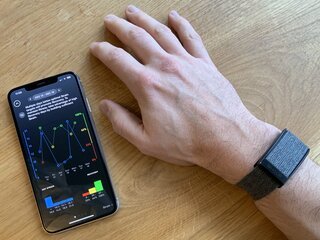
The later posts turn philosophical. Different ways to visualise health data asks whether graphs and numbers actually help us understand our bodies. The "Data versus Feeling" essay — the most recent — questions the very premise: at what point does measuring yourself become a hindrance rather than a help?

Into Running
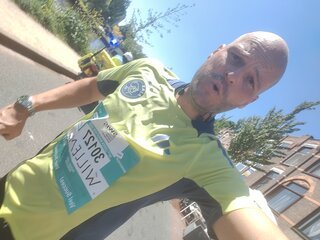
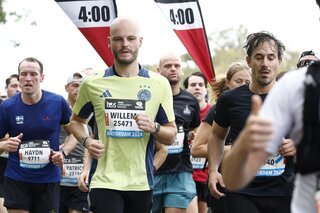
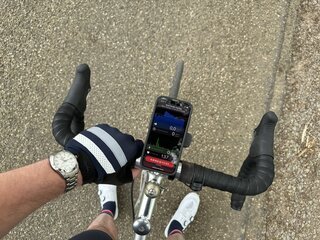
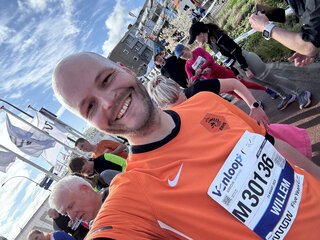
The sensors eventually led to running. The half marathon post brings it together — the preparation, the race, the data, the experience of pushing a measured body to its limit.
Also explore
Whoop Strap review · sport and the body · the heart · watches and time
All Wearable & Health Posts
The complete collection of posts about sensors, health data, heart rate monitoring, sleep tracking, and the body.