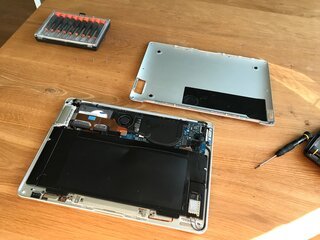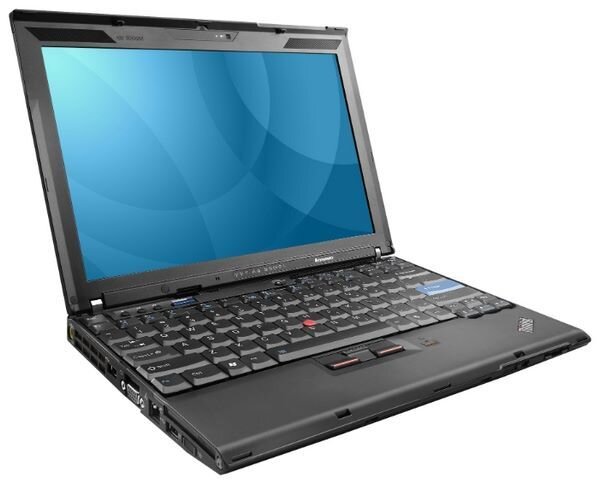
Built to Last — Against Disposable Software and Half-Baked Products
Hand-crafted websites, offline-first software, and the belief that fewer things done well beats many things done badly.
In a world of WordPress templates, shared hosting, subscription apps, and products designed to be replaced — Willem builds the opposite. Hand-coded websites that load in milliseconds. Software that works without the internet. Servers configured line by line. These posts are a quiet argument for craft in a disposable industry.
The Web, Done Right
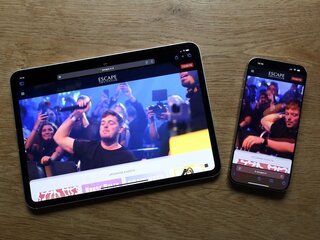
The Champions League of web design is Willem's manifesto: websites should be fast, light, and hand-built. No frameworks, no build pipelines, no third-party dependencies — just HTML, CSS, and JavaScript that a human wrote and understands. It's a direct challenge to the WordPress-industrial complex.
Software That Respects You
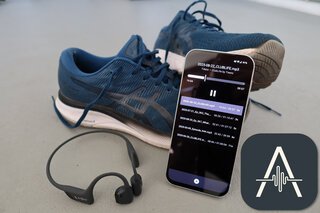
Working offline-first argues that software should work without an internet connection — not as a feature, but as a fundamental design principle. Auscultare — Willem's own podcast player — embodies this: no cloud, no account, no ads, no tracking. One thing done well.

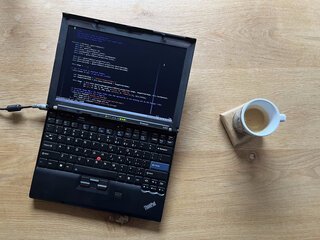
Infrastructure You Own
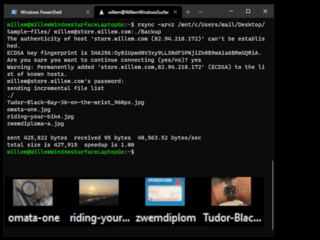
Breaking changes — the Dovecot 2.4 migration guide — is craft applied to server infrastructure. Not clicking buttons in a hosting panel, but understanding every configuration line and knowing exactly what your mail server is doing. The same philosophy drives the self-hosted cloud, the hand-configured DNS, the rsync backup scripts.
Also explore
self-hosting · writing code · digital minimalism · repair culture
The Principle
These posts share a common enemy: the "good enough" that's actually not good enough. Shared hosting that goes down. Apps that need WiFi to show you your own data. Websites that take five seconds to load a paragraph of text. Willem's answer is always the same: learn how it works, build it yourself, make it last.